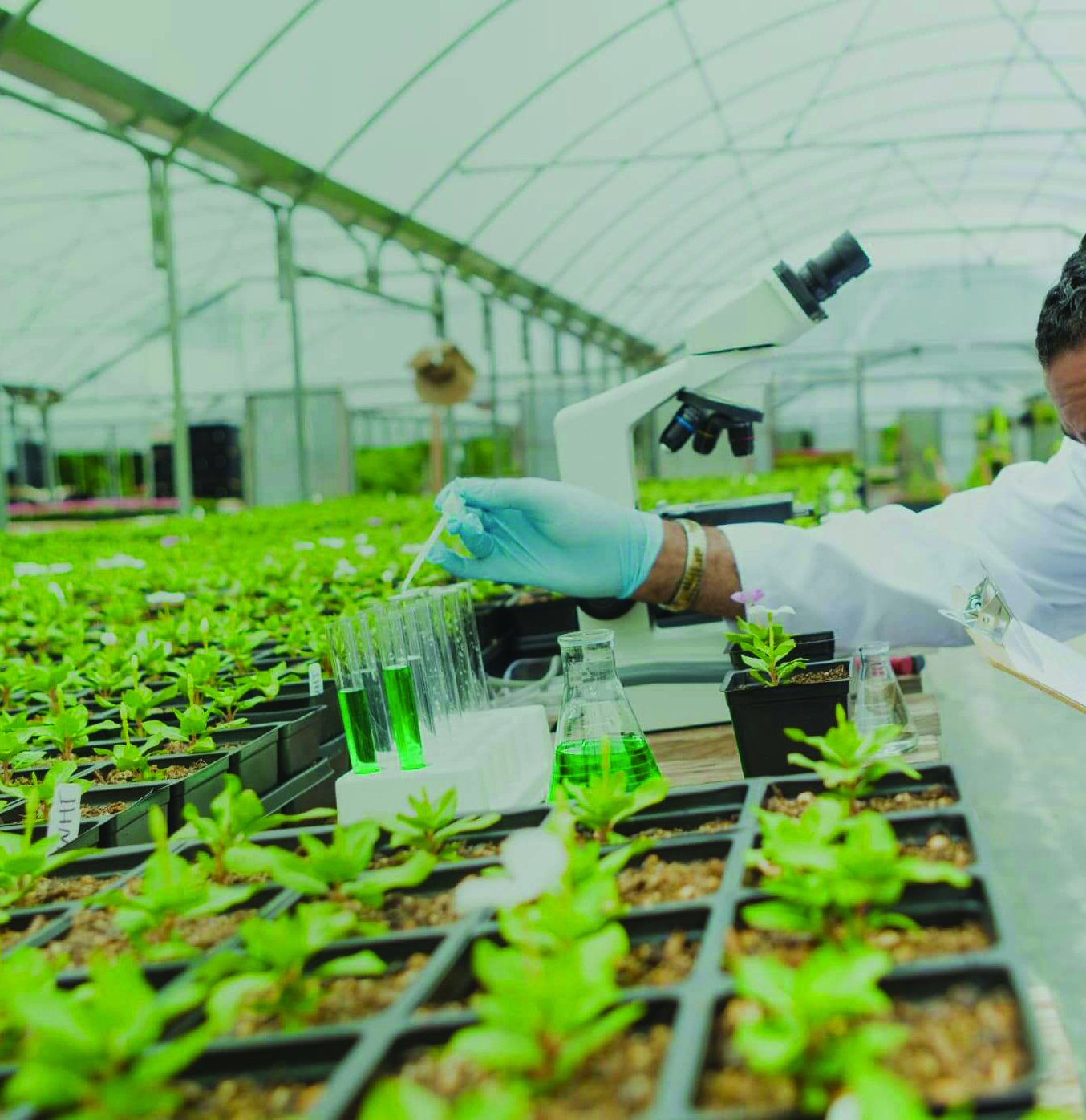
The Soil Analysis Laboratory Project is a promising investment idea aimed at providing a comprehensive range of specialized services for accurately analyzing and testing agricultural soil. The laboratory’s work includes conducting chemical analyses to determine the concentration of essential nutrients such as nitrogen, phosphorus, and potassium, in addition to measuring pH and salinity levels, both of which play a critical role in assessing soil fertility.
The lab also performs microbiological tests to study the biological activity of all microorganisms present in the soil—whether beneficial or harmful—with the goal of evaluating its health and its ability to naturally and sustainably support crop growth.
In addition, the laboratory carries out physical tests to assess the soil’s structure, texture, water retention capacity, and aeration potential, as well as its ability to hold nutrients.
At the conclusion of each analysis, detailed and comprehensive reports are prepared to help farmers, agricultural engineers, and researchers make well-informed farming decisions based on precise data—enhancing resource efficiency and contributing to sustainable increases in agricultural productivity.
Recent global statistics indicate that the soil analysis laboratory market is experiencing significant growth, driven by increasing awareness of the importance of sustainable agriculture and the critical role that accurate laboratory testing plays in improving agricultural production quality.
The market value of this sector is expected to reach approximately USD 6.50 billion by the end of 2025, due to rising demand for services that test soil properties and precisely determine its nutrient requirements.
Furthermore, projections show that this growth will continue, with the market anticipated to reach around USD 8.58 billion by 2033, reflecting a compound annual growth rate (CAGR) of 5.7% between 2025 and 2030.
This sustained growth is attributed to the increased adoption of modern agricultural technologies, the growing focus on safe food production, and expanding government support for smart farming and the rational use of natural resources.
The Soil Analysis Laboratory Project in Iraq is a highly strategic initiative that addresses a pressing need in the agricultural sector for precise analytical services to improve soil fertility and enhance the quality of agricultural production.
The project’s importance stems from the significant soil degradation experienced in Iraq due to the unregulated use of fertilizers and water, alongside the adverse effects of climate change.
The laboratory directly supports farmers and related stakeholders by providing accurate analyses of soil components, enabling informed decisions regarding crop selection and optimal fertilizer application. This leads to more efficient resource utilization and increased economic returns.
The project serves as a fundamental pillar in promoting sustainable agricultural development and reducing waste of natural resources, making it a strategic investment that supports food security and contributes to achieving self-sufficiency in the country.
Supporting indicators for this project show that statistics estimate the size of the agricultural laboratories and testing market in Iraq to reach approximately USD 5.6 million by the end of 2025, with gradual growth expected to reach around USD 7.7 million by 2033.
Get a Feasibility Study
خصم 25% على خدمات مشروعك استفد من العرض الآن، فالفرصة متاحة لفترة محدودة فقط
سجّل بياناتك واحصل على خصم 25% الآن


