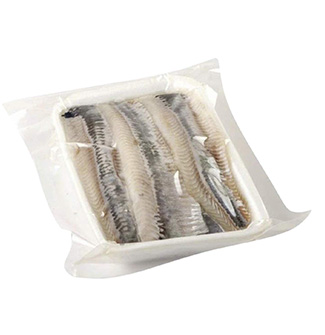
The Fish Processing Project represents a strategic investment aimed at establishing a modern, fully integrated facility for processing, packing, and packaging a variety of fish, such as salmon, herring, and others. The project relies on advanced fish processing technologies to preserve quality and nutritional value while strictly adhering to international food safety standards.
The project seeks to meet the growing demand for packaged fish products, focusing on delivering high-quality products that satisfy consumer expectations in both local and regional markets. It also aims to enhance the added value of fish resources through the use of modern processing and packaging techniques, helping to reduce waste and extend shelf life.
This project represents a promising investment opportunity, given the continuous growth in demand for fish products and the potential for expansion by exporting products to international markets.
The packaged and dried fish industry has experienced significant growth in recent years, driven by the increasing popularity of seafood as part of healthy diets. Fish has become a key choice for consumers due to its high nutritional value, including rich protein content and omega-3 fatty acids.
Advances in packing and packaging technologies have improved product quality and extended shelf life, enhancing competitiveness in global markets. Additionally, growing consumer awareness of healthy nutrition and the rise of e-commerce have made these products more accessible worldwide.
Consequently, the Fish Processing Project (Drying, Packing, and Packaging) represents a promising investment opportunity, given the rising global demand for prepared and packaged seafood. The canned fish market is expected to grow at a compound annual growth rate (CAGR) of 5.9% between 2024 and 2032, while the frozen fish market is projected to grow at a CAGR of 8% between 2024 and 2031.
The Fish Processing Project in Saudi Arabia is a promising investment due to increasing demand for seafood, supported by population growth and heightened interest in healthy diets. The Kingdom’s strategic location along the Arabian Gulf and Red Sea provides rich fishery resources, making it ideal for such projects.
This investment aligns with Saudi Vision 2030, which supports the development of non-oil sectors, strengthens food security, and promotes self-sufficiency. Saudi Arabia’s local fish production is estimated at 184,759 tons, while net imports (total imports minus total exports) are about 109,639 tons, reflecting a self-sufficiency rate of only 48%, according to the Ministry of Environment, Water, and Agriculture.
Get a Feasibility Study
خصم 25% على خدمات مشروعك استفد من العرض الآن، فالفرصة متاحة لفترة محدودة فقط
سجّل بياناتك واحصل على خصم 25% الآن


