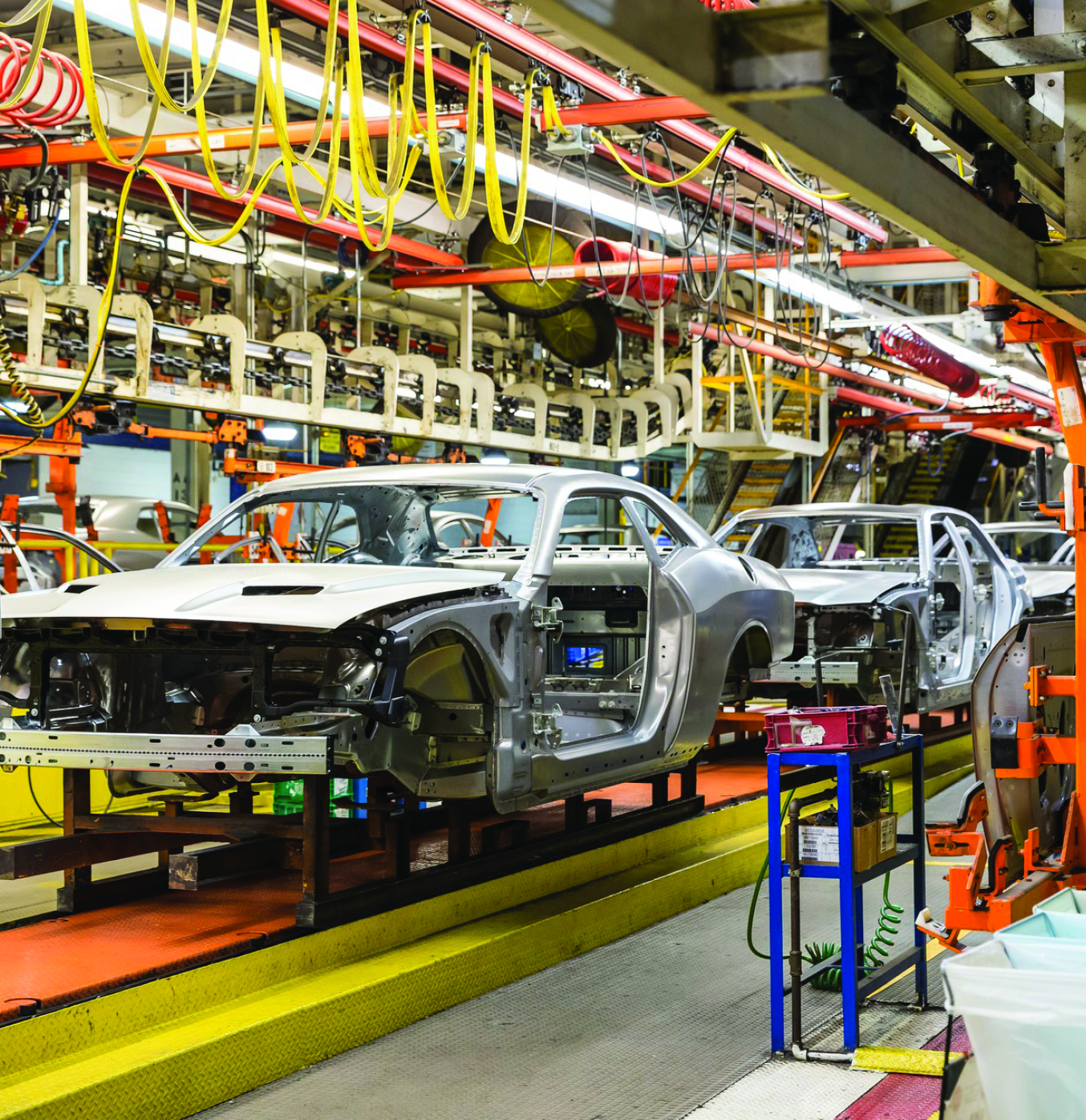
The Electric Vehicle Assembly Plant Project represents a pioneering step toward a sustainable and innovative future in the transportation sector. The project aims to produce electric vehicles with global standards that combine exceptional performance and competitive cost. It features advanced technologies and smart production lines that enable the assembly of a wide range of vehicles — including passenger cars, light commercial vehicles, and transport units — all while adhering to the highest standards of quality and environmental safety.
The project targets transportation companies, government entities, logistics service providers, and environmentally conscious individuals seeking eco-friendly vehicles that align with modern requirements. By offering smart and sustainable mobility solutions, the plant contributes to advancing the transition toward clean energy and reducing carbon emissions. Moreover, it supports the national economy by creating direct and indirect job opportunities, developing complementary industries, and enhancing local and regional competitiveness in advanced manufacturing — making it a key driver of economic and environmental development
Global indicators point to exceptional growth in the electric vehicle (EV) market, reflecting the rapid shift toward sustainable and eco-friendly transportation. The global EV market was valued at approximately USD 315.82 billion in 2024, and it is projected to reach USD 393.39 billion by the end of 2025. This upward trend is expected to continue at a remarkable pace, reaching about USD 3,072.92 billion by 2034, with a compound annual growth rate (CAGR) of 25.55% during the period 2025–2034.
These figures underscore the strong investment potential of the EV assembly sector — not only as a response to the global transition toward clean energy but also as a strategic investment opportunity in a dynamic and rapidly expanding market. This growth is fueled by factors such as accelerating technological advancement, increasing government support, and rising consumer awareness of sustainability. Entering this sector at the current stage represents a pivotal opportunity to achieve long-term profitability and build a leading competitive position in both regional and global markets.
Qatar represents an ideal environment for launching an electric vehicle assembly project due to its strong national commitment to clean energy and a comprehensive transformation of the transportation system. The Qatari government has announced its plan to convert 100% of its public bus fleet to electric by 2030, as part of its efforts to reduce carbon emissions and promote environmental sustainability.
Aligned with Qatar National Vision 2030, which identifies industrialization as a key pillar for economic diversification and reduced dependence on hydrocarbons, the electric vehicle assembly project gains a strategic dimension — serving not only as an investment opportunity but also as a catalyst for industrial and economic transformation.
Given the absence of local electric vehicle assembly plants, the project emerges as a practical solution to fill a major market gap. It offers the potential to develop customized models tailored to local demand — from personal vehicles to corporate transport and delivery fleets. Qatar’s strategic geographic location also makes it an excellent hub for exporting to GCC, Middle Eastern, and North African markets.
These advantages are reinforced by the rising demand indicators, with the number of registered electric vehicles in Qatar expected to grow from 10,123 units in 2025 to over 110,608 units by 2033, highlighting the vast opportunities for expansion and investment in this vital and future-oriented sector.
Get a Feasibility Study
خصم 25% على خدمات مشروعك استفد من العرض الآن، فالفرصة متاحة لفترة محدودة فقط
سجّل بياناتك واحصل على خصم 25% الآن


