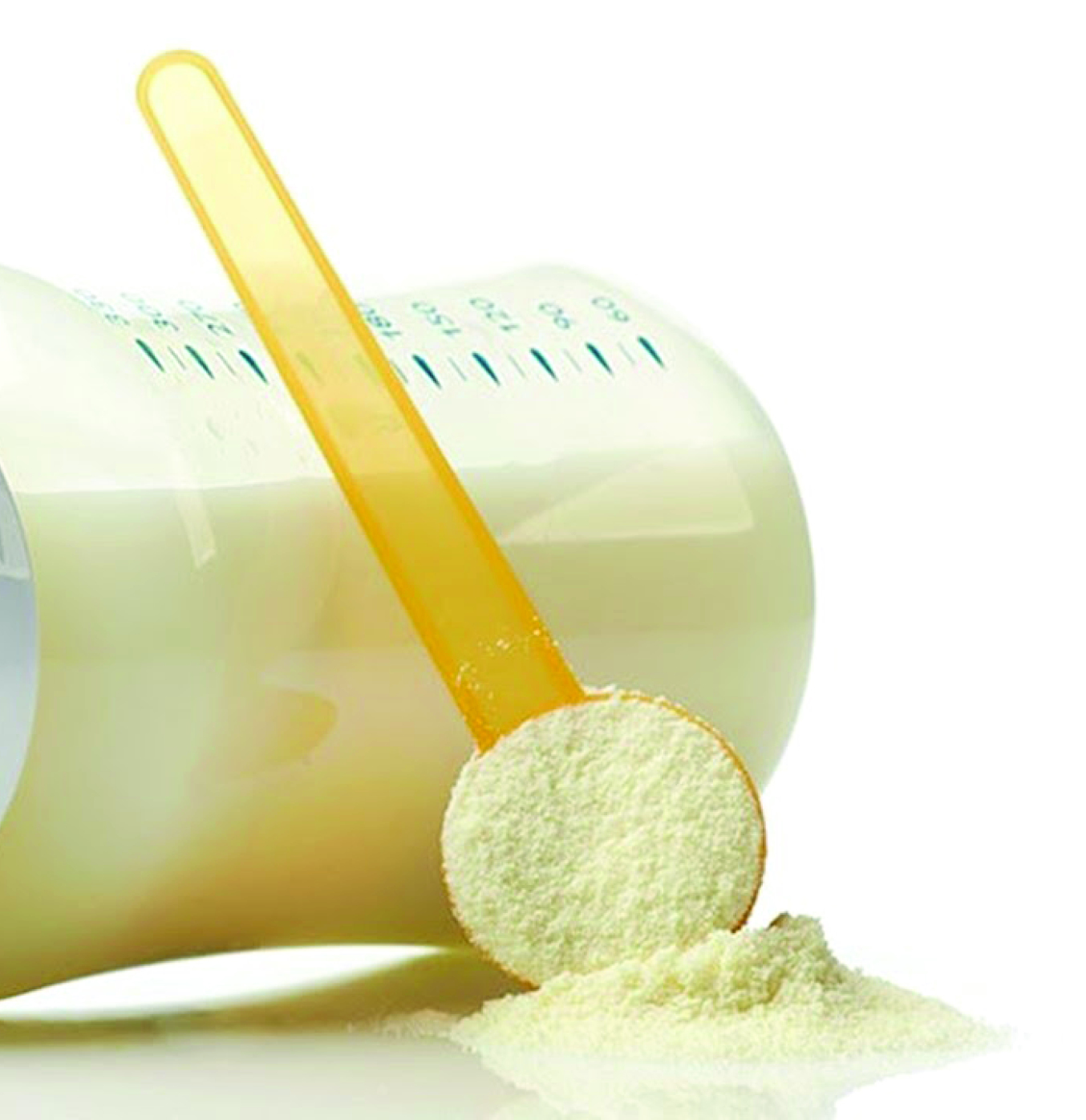
The Infant Formula Production Project aims to establish a specialized factory for producing infant formula, with the goal of bridging the gap in the local market and providing a high-quality national alternative that meets the highest standards of food safety and global health specifications.
This project represents a strategic initiative that combines both economic and social significance, as it contributes to reducing reliance on imported products and supports the achievement of national food security.
The factory will offer a diverse range of products designed to meet the nutritional needs of children at different stages of growth, including:
Stage 1 formula, intended for infants from birth to 6 months,
Stage 2 follow-up formula, for babies aged 6 to 12 months,
Stage 3 growing-up formula, for children aged 1 to 3 years, and
Stage 4 milk, targeting children above 3 years old.
Each product is formulated to support the child’s physical and mental development during these crucial formative years, ensuring comprehensive nourishment that aligns with international health and safety standards.
Recent global statistics indicate a rapid and notable growth in the infant formula market, reflecting the increasing strategic importance of this vital sector worldwide. The market size reached approximately USD 81.72 billion in 2024, and it is expected to grow to USD 90.91 billion in 2025, reaching around USD 178.83 billion by 2032, at a compound annual growth rate (CAGR) of 10.15% during the forecast period.
This sustained growth highlights the rising global demand for infant nutrition products, driven by an expanding consumer base and increasing health awareness among families about the importance of specialized nutrition during early childhood. These indicators reinforce the investment potential of infant formula production projects, given the promising opportunities and long-term growth prospects in this market.
Establishing an infant formula production plant in Egypt represents a strategic and vital step toward strengthening food security and supporting the national industrial base, particularly amid current global and economic challenges.
The Egyptian infant formula market was valued at approximately EGP 7.4 billion in 2025, and it is projected to rise significantly to around EGP 12.7 billion by 2033, reflecting the growing local demand and the importance of developing domestic production capable of meeting this expansion.
The project will directly contribute to reducing reliance on imports, thereby enhancing the resilience of the national economy and its ability to adapt to crises. It will also pave the way toward achieving self-sufficiency in infant formula production.
By adopting state-of-the-art technologies and relying on highly qualified professionals, the project ensures the production of safe and high-quality products, enabling Egyptian industry to compete in regional and international markets.
This ambitious initiative aligns with Egypt’s national vision to strengthen capabilities in strategic sectors, particularly the food industry, and to increase its contribution to exports — thereby supporting economic growth, promoting sustainable development, and enhancing social stability.
Get a Feasibility Study
خصم 25% على خدمات مشروعك استفد من العرض الآن، فالفرصة متاحة لفترة محدودة فقط
سجّل بياناتك واحصل على خصم 25% الآن


