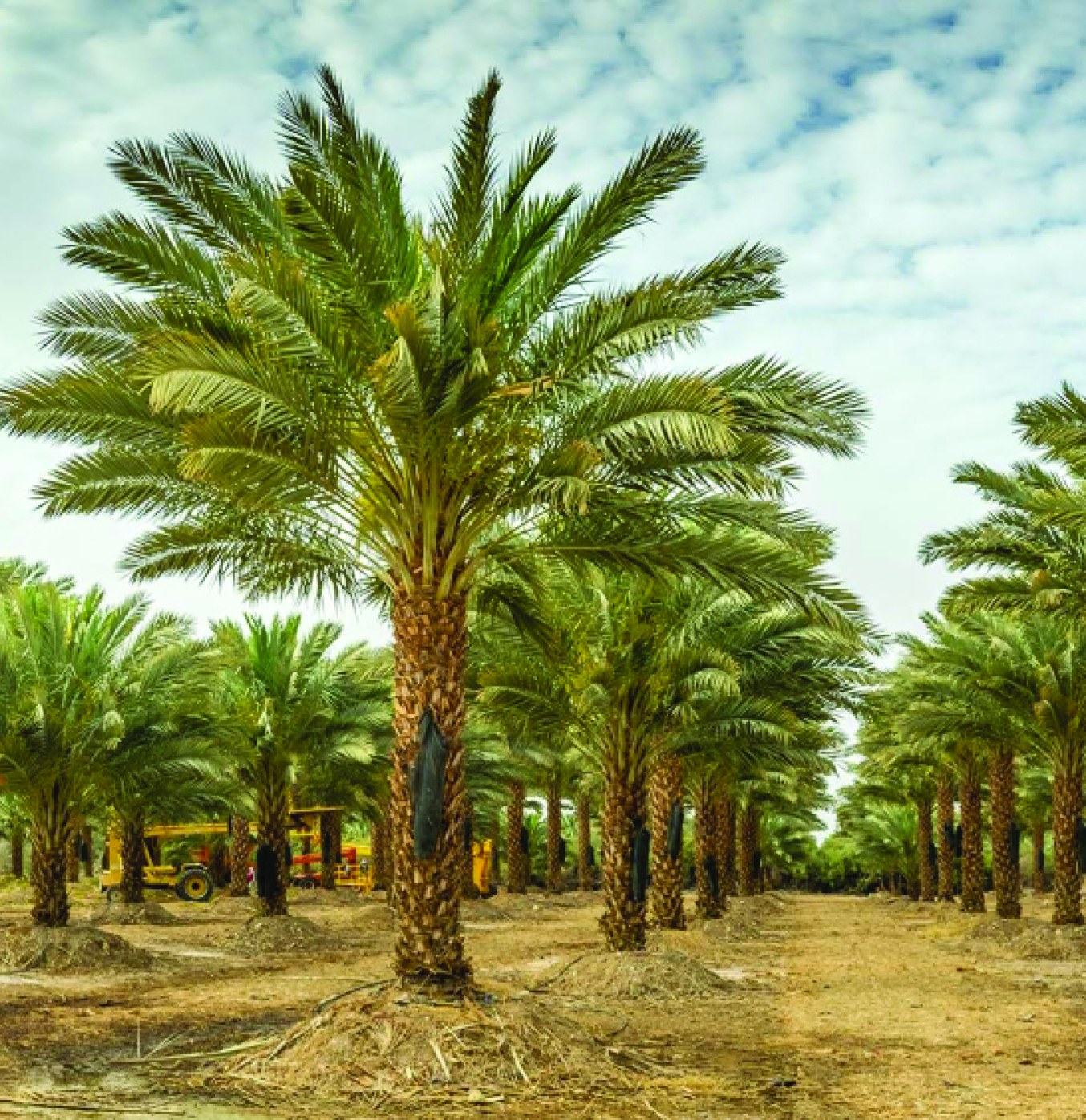
The Palm Waste Recycling Project represents a promising investment opportunity aligned with Saudi Vision 2030, focusing on the utilization of one of the Kingdom’s most important local agricultural resources. The project aims to transform palm waste into high-demand products such as palm wood logs and palm charcoal, both considered high-quality natural fuel alternatives that are increasingly sought after by individuals, restaurants, cafés, and international markets looking for sustainable and eco-friendly energy solutions.
The project will be established on an area of 1,500 square meters as a specialized production platform that skillfully combines economic and environmental dimensions by reducing harmful agricultural waste and converting it into value-added fuel.
It supports the Kingdom’s direction toward promoting a circular economy and developing transformational industries, opening broad prospects for growth and expansion locally, regionally, and globally. Moreover, the project contributes to job creation and ensures stable financial returns driven by the growing and continuous demand for renewable and sustainable energy solutions.
The Palm Waste Recycling Project represents a promising investment opportunity aligned with Saudi Vision 2030, focusing on the utilization of one of the Kingdom’s most important local agricultural resources. The project aims to transform palm waste into high-demand products such as palm wood logs and palm charcoal, both considered high-quality natural fuel alternatives that are increasingly sought after by individuals, restaurants, cafés, and international markets seeking sustainable and eco-friendly energy solutions.
The project will be established on an area of 1,500 square meters as a specialized production platform that skillfully integrates economic and environmental objectives by reducing harmful agricultural waste and converting it into value-added fuel.
It supports the Kingdom’s direction toward promoting a circular economy and developing transformational industries, opening broad prospects for growth and expansion locally, regionally, and globally. Moreover, the project contributes to job creation and ensures stable financial returns, driven by the growing and continuous demand for renewable and sustainable energy solutions.
The global agricultural waste market is expected to witness steady growth in the coming years, with its size projected to increase from USD 2.4 billion in 2025 to approximately USD 3.3 billion by 2033, registering a compound annual growth rate (CAGR) of 3.2%.
This sustained growth reflects the rising global awareness of the importance of managing agricultural waste through innovative methods and transitioning toward a circular economy model. The expansion is driven by the growing need for practical solutions to address environmental challenges, as agricultural residues represent an underutilized resource that can be converted into multiple products such as bioenergy, biochar, organic fertilizers, and biofuels.
These developments are expected to help reduce harmful emissions and lower dependence on non-renewable sources. Moreover, this upward trend highlights global efforts to promote innovation in the waste management sector, creating new markets for green industry investments. Consequently, the sector supports environmental sustainability while offering promising investment opportunities that enhance value chains linked to the global agricultural industry.
Get a Feasibility Study
خصم 25% على خدمات مشروعك استفد من العرض الآن، فالفرصة متاحة لفترة محدودة فقط
سجّل بياناتك واحصل على خصم 25% الآن


