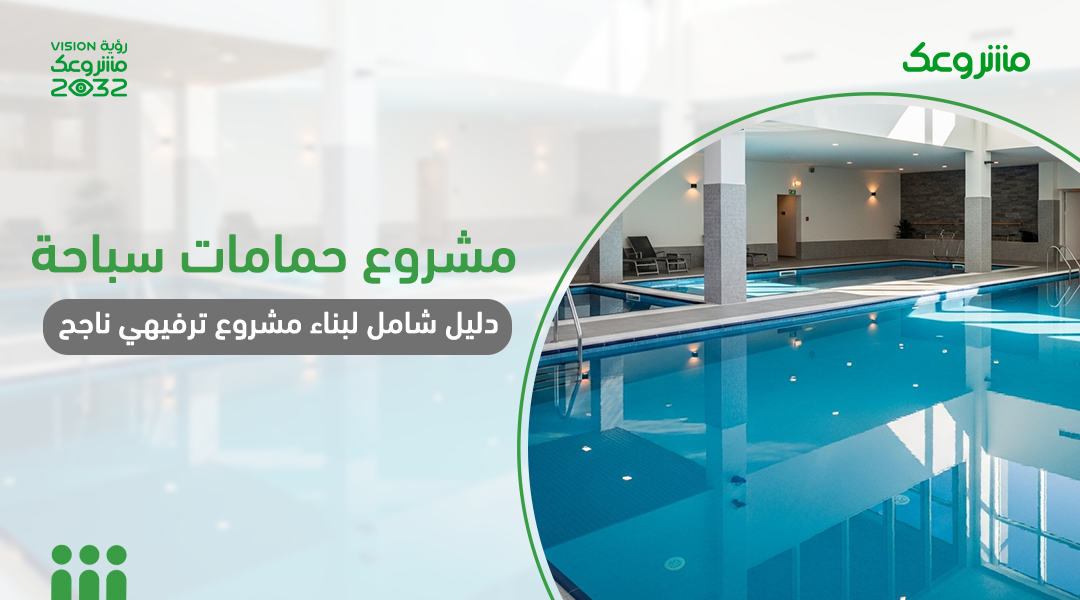
Swimming Pool Project: A Comprehensive Guide to Building a Successful Recreational Venture - Mashroo3k
Published11 Mar 2026 0 comments 669 Observation
Swimming Pool Project: A Comprehensive Guide to Building a Successful Recreational Venture

In light of the qualitative shifts in modern lifestyles and the global trend toward enhancing wellness and health, a swimming pool project stands out as one of the most attractive and dynamic investment opportunities. It is not merely a traditional construction activity but has become a fundamental pillar in the entertainment industry and the real estate market, whose demands are continuously growing due to urban expansion and the increasing popularity of luxury villas and tourist resorts.
Today, having a pool has shifted from being a complementary feature to a critical criterion that elevates the market value of a property and gives it a distinctive appeal, attracting a wide range of clients. It is worth noting that success in such a project requires a strategic vision that combines innovative design with strict adherence to safety standards, ensuring that the project develops into a sustainable business model capable of competitiveness and future expansion.

What is a swimming pool project

The swimming pool project is known as a comprehensive investment activity that includes the design, construction, and maintenance of various types, whether for villas and rest houses or commercial uses for hotels, resorts, clubs, and schools. The scope of this project goes beyond excavation and construction work to encompass a full range of services, starting from preparing engineering designs according to technical standards, through implementing insulation systems, plumbing, and the installation of filtration, sterilization, and heating equipment, as well as finishing works, to providing periodic maintenance and water treatment services. The success of the project relies on quality execution, strict adherence to safety standards, and the selection of suitable materials and equipment, supported by an accurate market study that identifies the target segment; making it a vital project connected to both the real estate and tourism sectors, capable of yielding rewarding returns, especially in areas with rapid urban growth.

Is a swimming pool project profitable?

Yes, the swimming pool project is considered one of the most profitable and sustainable ventures. Recent studies indicate that the global swimming pool market was estimated at approximately $5.90 billion USD in 2025, with strong projections suggesting that it will rise to around $8.24 billion USD by 2030, reflecting a compound annual growth rate (CAGR) of 6.91% during the forecast period. This growth highlights the increasing demand for swimming pools in both residential and commercial sectors.

Key Advantages of a Swimming Pool Project

The swimming pool project offers several investment and operational benefits, making it an attractive option for capital deployment. The main advantages include:

  1. Diverse Client Base: From villa owners to hotels, resorts, and commercial establishments, the wide range of clients ensures continuous work opportunities and contracts, reducing seasonal stagnation and providing a stable customer base.
  2. Multiple Revenue Streams: Income is not limited to construction alone; it also includes post-sale services such as annual maintenance contracts, accessory sales, operation services, and training.
  3. High Profit Margins: Due to the luxury and premium nature of the service, clients prioritize quality over price, allowing higher profitability compared to traditional construction projects.
  4. Visual Appeal: The project relies heavily on aesthetics, making it highly promotable on social media platforms and in showcasing past projects, enhancing marketing effectiveness.
  5. Clear Initial Costs: Materials, equipment, and labor costs are transparent, facilitating accurate budgeting, break-even analysis, and ROI forecasting.
  6. Customizable Designs: Pools can be tailored to different sizes and designs to fit various spaces and budgets, allowing targeting of multiple market segments from economy to luxury.
  7. Lower Operational Complexity: Compared to large-scale entertainment projects, swimming pools require simpler infrastructure and operations, enabling faster returns and lower capital risk.
  8. Complementary Services: Offering add-ons such as heating systems, underwater lighting, waterfalls, and automation increases contract value, strengthens client loyalty, and boosts revenue.
  9. Synergy with Real Estate & Tourism: Every new residential or hotel project represents a potential client, ensuring consistent demand alongside urban expansion.
  10. Sustainable Client Relationship: Moving from a one-time contract to recurring maintenance agreements ensures steady income, covering operational expenses and maintaining cash flow stability.

This combination of factors positions a swimming pool project as a lucrative, scalable, and sustainable investment.

Swimming Pool Project Cost

The cost of a swimming pool project varies depending on size, design, and other specifications. Key cost factors include:

  1. Type of Pool: Costs differ significantly between concrete pools, prefabricated pools, and fiberglass pools.
  2. Size, Depth, and Design: Larger pools or custom/non-standard designs increase the overall cost.
  3. Finishing and Material Quality: High-quality waterproofing, tile type, surface finishing, and advanced insulation systems impact the budget.
  4. Operational Systems and Integrated Technologies: Filtration systems, disinfection, heating, underwater lighting, and smart control systems add to the cost.
  5. Site Conditions and Terrain: Rocky soil or areas with high water tables require special excavation and additional structural support.
  6. Surrounding Services and Add-ons: Landscaping, adjacent area preparation, equipment rooms, and pump installations contribute to overall expenses.

Steps to Start a Swimming Pool Project

Launching a successful swimming pool business involves several strategic steps:

  1. Conduct a Comprehensive Market Study – Analyze the demand for swimming pool services in your target area. Identify market gaps and untapped opportunities where your project can offer innovative solutions.
  2. Define Your Service Scope – Decide whether your focus will be on residential pools for villas, commercial projects for hotels and resorts, or specialized services such as maintenance and operation.
  3. Build a Reliable Supplier Network – Partner with suppliers and contractors who provide high-quality materials and equipment at competitive prices. Negotiate flexible payment terms to maintain cash flow during the project phases.
  4. Choose a Strategic Location – Set up an office that is easily accessible to clients and has space to showcase samples of materials and equipment, boosting client confidence and facilitating sales.
  5. Invest in Creative and Practical Designs – Use 3D modeling software to create realistic designs that meet modern client expectations.
  6. Test Materials and Techniques – Conduct trial tests for new materials and technologies before official implementation to ensure durability and efficiency under different conditions.
  7. Create Attractive Marketing Materials – Develop visually appealing presentations and document your past work with professional photos and videos to effectively persuade new clients.
  8. Complete Legal and Licensing Requirements – Register the business, obtain necessary municipal and regulatory permits, and comply with safety and environmental standards to avoid legal obstacles.
  9. Develop a Detailed Financial Plan – Outline initial capital, equipment and material costs, salaries, operational expenses, and allocate an emergency reserve.
  10. Implement a Comprehensive Marketing Plan – Use a mix of digital and traditional marketing channels to reach your target audience effectively.
  11. Apply Strict Quality Control – Monitor each phase of the project, from excavation to final delivery, to ensure high standards are maintained.
  12. Build a Strong Brand Identity – Create a visual identity that reflects your professionalism and quality of work.
  13. Plan for Gradual Expansion – Increase execution teams, expand geographically, and eventually add new services such as designing water resorts, based on demand growth and operational capacity.
  14. Seek Strategic Partnerships – Collaborate with major construction companies, hotel chains, and sports clubs to secure larger projects and long-term contracts.

Feasibility Study for a Swimming Pool Project

Marketing Study for the Swimming Pool Project and Its Components

  1. Conduct a Comprehensive Market Analysis – Assess the swimming pool market size, identifying both current and projected supply and demand.
  2. Analyze Market Gaps – Evaluate unmet needs in the swimming pool market and estimate the market share that the new project can capture.
  3. Competitor Assessment – Examine direct and indirect competitors in the market, identifying their strengths and weaknesses to develop a unique competitive advantage.
  4. Prepare a Complete SWOT Analysis – Identify the project’s internal strengths and weaknesses, market opportunities, and potential threats to inform strategic planning.
  5. Develop a Strategic Marketing Plan – Create a well-structured plan to promote swimming pool services across various digital and traditional channels, ensuring maximum visibility and client engagement.

Please read here: Marketing Feasibility Study: Definition, Importance, Preparation Method, and Key Tools

Technical Study for a Swimming Pool Project and Its Components

  1. Assessment of Equipment and Infrastructure – Evaluate all necessary facilities and infrastructure for implementing the project, including storage for materials and equipment required for constructing swimming pools.
  2. Review Regulatory Requirements and Permits – Examine the official licenses and regulatory requirements needed to operate a swimming pool construction and installation business.
  3. Develop a Detailed Execution Plan – Prepare a step-by-step project plan outlining all stages of launching the swimming pool project, with an estimated timeline for each phase.
  4. Clarify Project Operations – Define the operational workflow, focusing on key processes such as procurement, storage, inventory management, construction, installation, and final delivery.
  5. Estimate Operational Costs – Provide detailed cost estimations, including expenses for purchasing materials and equipment, shipping, storage, and other essential operational supplies.
  6. Determine Human Resource Requirements – Identify the number of staff required to manage and operate the project, outlining key responsibilities, expected salaries, and potential incentives.
  7. Define Operational Capacity – Specify the expected operational capacity of the project while considering potential scalability and growth in future phases.

Read here: 7 Essential Elements Underpinning the Technical Feasibility Study of Projects

Financial Study for a Swimming Pool Project and Its Components

  1. Explain the Financing Structure – Outline potential funding sources, including self-financing, bank loans, or investment partnerships.
  2. Detail the Projected Capital – Present a breakdown of invested capital, distinguishing between fixed capital (equipment and facilities) and working capital (raw materials and operational supplies).
  3. Present Operational Expenses – Show daily and monthly operational costs related to procurement, construction, installation, and delivery activities.
  4. Analyze Variable Operational Costs – Include expenses such as purchasing materials and equipment, transportation, installation, and marketing.
  5. Clarify Fixed Costs – Cover costs like rent, salaries, and routine maintenance of equipment.
  6. Prepare Projected Financial Statements – Generate expected income statements, balance sheets, and cash flow statements for the project.
  7. Calculate Key Financial Indicators – Include break-even point, return on investment (ROI), internal rate of return (IRR), payback period, and net present value (NPV).
  8. Conduct Sensitivity Analysis – Measure the impact of changes in costs or revenues on the project’s financial outcomes to evaluate risks and resilience.

Read here: The Importance of Having a Financial Feasibility Study for Your Investment Project

Administrative Study for a Swimming Pool Project and Its Components

Final Comprehensive Report – Compile a detailed report that integrates findings from the marketing, technical, financial, and administrative studies, and provide clear, actionable recommendations to ensure the project’s success and sustainability.

Organizational Structure – Design the project’s organizational chart, clearly defining reporting lines, main functional responsibilities, and the number of staff required for each department.

Job Descriptions – Develop precise job descriptions for every position within the project, specifying core tasks, required competencies, and necessary qualifications for each role.

Risk Assessment – Analyze potential marketing, operational, and financial risks associated with the swimming pool project, and propose effective strategies to mitigate and proactively manage these risks.

Read here: Feasibility Study – Its Importance, How to Prepare It, and How to Conduct a Feasibility Study

10 Guidelines to Ensure the Success and Sustainability of a Swimming Pool Project

  1. Conduct a Thorough Feasibility Study – Before starting, include market analysis, target audience identification, and competitor research to ensure a clear strategic vision.
  2. Choose a Strategic Location – Target areas with high urban activity or proximity to residential and tourist projects to enhance contracting opportunities and business growth.
  3. Adhere to the Highest Quality and Safety Standards – Ensure water-proofing, filtration systems, and safety standards are top-notch to build a strong reputation.
  4. Hire a Professional Engineering and Technical Team – Guarantee efficiency, minimize errors, and ensure timely project delivery.
  5. Diversify Services – Include construction, regular maintenance, water cleaning and disinfection, equipment supply, and renovation to expand revenue streams.
  6. Build a Reliable Brand Identity – Demonstrate professionalism, punctuality, and positive client experiences to strengthen self-marketing and trust.
  7. Use High-Quality Materials and Equipment – Reduce future maintenance costs and enhance customer satisfaction.
  8. Implement an Effective Marketing Plan – Utilize digital marketing, showcase previous projects, and develop relationships with real estate developers.
  9. Maintain Accurate Financial Management – Control costs, monitor cash flow, and allocate an emergency fund to ensure financial stability.
  10. Continuously Innovate – Keep up with the latest technologies in disinfection, heating, and smart lighting systems to maintain a strong competitive advantage.

My Experience with a Swimming Pool Project

Our client, S.A. from the Kingdom of Saudi Arabia, shares his remarkable investment journey with his swimming pool project: He explains that the project was never just a passing idea but a dream to transform real estate spaces into true destinations for luxury and relaxation. However, when he seriously considered launching his project, he faced real challenges due to the lack of a precise strategic roadmap, despite his enthusiasm.
Upon consulting his friends, they recommended “Mashroo3k”, and that marked a turning point in his journey. Mashroo3k Consulting stood by him as a strategic partner, charting the path to success. He began his journey with them by preparing a detailed feasibility study rich in data covering all vital aspects of the project—from an in-depth market analysis to understand demand, to a technical study that defined the best execution standards, and finally, financial and administrative studies that ensured sustainability and profitability. This gave him complete clarity and confidence.
Their support didn’t stop there—they also helped remove operational obstacles and ensured reliable dealings with suppliers for the project’s materials.
In conclusion, he extends his heartfelt thanks to the team at Mashroo3k Consulting, who were not just advisors but true partners in success, transforming his ambition into tangible achievements on the ground.

Read here: Your Guide to Finding the Best Certified Feasibility Study Company in Saudi Arabia

Frequently Asked Questions About Swimming Pool Projects

1. What are the prices of swimming pool supplies?
The prices of swimming pool supplies vary significantly depending on the technical components and manufacturing quality. These supplies include filtration systems, hydraulic pumps, advanced disinfection units such as ozone or UV systems, underwater lighting solutions, heating equipment, and automated control systems. Brand reputation, technical performance, and compliance with safety and sustainability standards play a key role in determining the cost of each item.

2. What is the minimum cost to build a swimming pool?
The minimum cost depends on the type, construction method, and location of the pool. Simple, standard-designed pools are less expensive than large or custom pools. For example, in Saudi Arabia:

  • A small fiberglass home pool (approx. 2.5×4.5 m, 1 m depth) with a basic pump and filter starts around 15,000 SAR.
  • Medium-sized pools (approx. 3.5×4 m) with lighting or heating systems range between 25,000–35,000 SAR.
  • Basic concrete pools usually start at 30,000–40,000 SAR, with additional costs for excavation, finishes, and optional features like jacuzzis or automation systems.

3. How long does it take to build a pool?
Construction duration varies depending on pool size, structure type (concrete, fiberglass, or pre-fabricated), site conditions, and complexity of integrated systems like heating, lighting, and automation. Pre-fabricated pools can be installed in a few days, while custom concrete pools may take several weeks or months for excavation, casting, waterproofing, and finishing.

4. How can I build a swimming pool?
Building a professional pool involves several stages:

  • Selecting the site and studying soil conditions.
  • Creating a detailed engineering design covering dimensions, aesthetics, and functionality.
  • Excavation and leveling according to the approved plan.
  • Constructing the pool structure (concrete cast-in-place or pre-assembled).
  • Installing waterproofing and thermal insulation.
  • Installing plumbing, electrical systems, filtration, disinfection, and heating equipment.
  • Completing interior finishes (tiles, liners, etc.).
  • Final installation of pumps and systems, followed by operational testing.

5. What is the ideal pool size?
There is no fixed standard; size depends on the intended use (family recreation, sports training, or commercial purposes), available land area, target audience, and expected usage intensity. Home pools typically range from 3×6 m to 4×8 m, while commercial pools for hotels or clubs require larger, standardized dimensions (e.g., 25×12.5 m for semi-Olympic pools). A technical study is recommended to balance economic feasibility, functionality, and added property value.

6. What are the common pool dimensions?
Dimensions vary by purpose:

  • Home pools: smaller, flexible sizes.
  • Sports/training pools: standard lengths (semi-Olympic 25×12.5 m, Olympic 50×25 m).
  • Commercial/hotel pools: varied shapes and sizes according to architecture, audience, and usage intensity. All dimensions must comply with safety standards and municipal regulations.

7. What are the best types of swimming pools?

Prefabricated pools: Practical, economical, fast to install, ideal for small spaces or flexible budgets, and can be relocated if needed.
The best choice depends on balancing durability, speed of installation, maintenance, aesthetics, and project requirements.

Concrete pools: Durable, strong, and highly customizable in shape and size.

Fiberglass pools: Quick installation, smooth surface resistant to algae, easier maintenance, lower chemical consumption.

What are the depths of the swimming pools?

The depths of swimming pools vary according to their intended use; shallow depths are designated for recreational and family use, while diving and training activities require greater depths. Commercial pools often combine multiple depth levels to meet diverse needs, with the necessity that all depths comply with safety standards and are suitable for the purpose for which the pool was designed.

In conclusion of our article on the swimming pool project

We can say that a swimming pool project remains a smart investment opportunity in a market characterized by consistent demand and high added value. It goes beyond mere construction, creating a recreational and health-enhancing experience that boosts the appeal of real estate and tourism alike. With careful planning, professional management, and adherence to the highest standards of quality and safety, the project transforms into a sustainable source of income and a trusted brand.

For inquiries and to request a feasibility study for a swimming pool project


Similar Articles

How to Turn a Kebab Restaurant Project into a Distinctive Brand in Egypt?

The kebab restaurant project is one of the food-service ventures that combines strong demand for grilled meals with the opportunity to target a diverse customer base, including individuals, families, and lovers of traditional Middle Eastern cuisine. With growing competition in the restaurant sector, however, the project’s success is no longer determined by food taste alone. […]

Read more

Children’s Play Center Project in Saudi Arabia: How to Create an Experience That Attracts Children and Families?

A children’s toy store project is not limited to selling toys; it is built on understanding what attracts children and what families look for when choosing products that combine entertainment and educational value. With the wide variety of educational toys, skill-development games, recreational toys, and gifts available, the store has opportunities to meet the needs […]

Read more

Residential Complex Project in Saudi Arabia: An Investment That Creates Value Beyond Residential Units

A residential complex project is no longer simply an investment in a collection of real estate units. It has evolved into an integrated development model that combines comfortable living, diverse services, and long-term investment value. As cities expand and residents’ needs evolve, demand is growing for residential complexes that offer a comprehensive environment suited to […]

Read more

Veterinary Clinic Project in Egypt: A Promising Investment Opportunity in the Animal Care Sector

The veterinary clinic project comes at a time when animal care is no longer limited to treating illnesses or injuries, but has expanded to include health monitoring, vaccinations, routine checkups, and care for both pets and livestock. However, many animal owners face challenges in accessing specialized veterinary services that combine prompt response, high-quality care, and […]

Read more

Green Friday

فرصة لا تتكرر

GREEN FRIDAY

خصم 25% على خدمات مشروعك استفد من العرض الآن، فالفرصة متاحة لفترة محدودة فقط
سجّل بياناتك واحصل على خصم 25% الآن