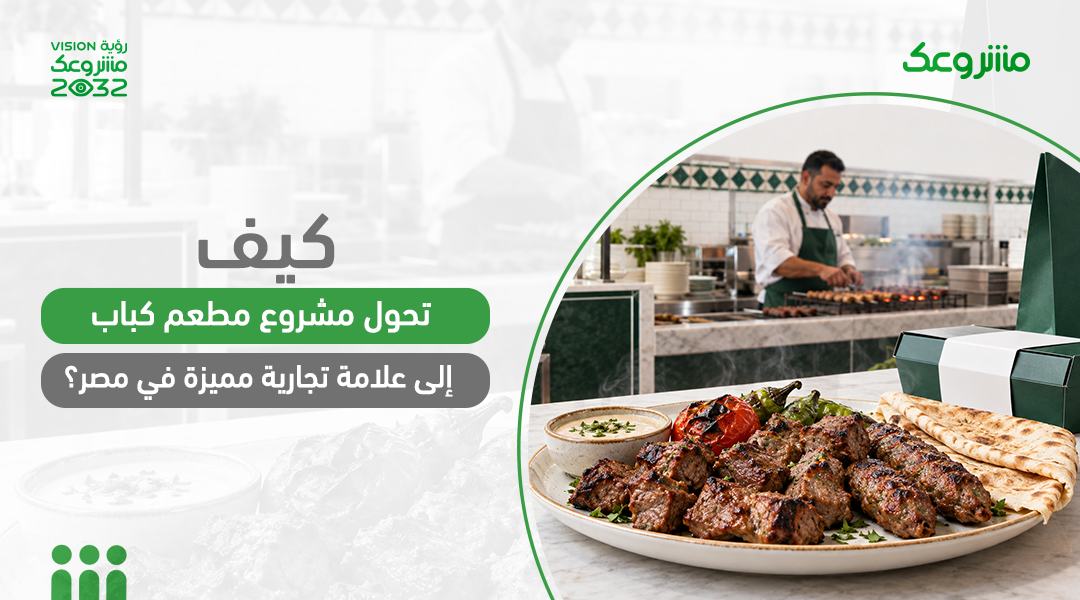
How to Turn a Kebab Restaurant Project into a Distinctive Brand in Egypt? - Mashroo3k
Published29 Oct 2026 0 comments 133 Observation
How to Turn a Kebab Restaurant Project into a Distinctive Brand in Egypt?

The kebab restaurant project is one of the food-service ventures that combines strong demand for grilled meals with the opportunity to target a diverse customer base, including individuals, families, and lovers of traditional Middle Eastern cuisine. With growing competition in the restaurant sector, however, the project’s success is no longer determined by food taste alone. It also depends on meat quality, the selection of suitable marinades, menu variety, fast order service, and providing a distinctive dining experience that encourages customers to return.
Success begins with choosing a location close to residential communities and high-traffic areas, while setting prices that match the target customers and their purchasing power. Before launching the project, a kebab restaurant feasibility study helps assess market demand, identify the required equipment and workforce, and estimate expected costs and revenues. This gives investors a clearer basis for making informed decisions and building a competitive, sustainable business.

An Overview of the Kebab Restaurant Project

The kebab restaurant project involves establishing a food-service business specializing in grilled meats and traditional Middle Eastern dishes, with a focus on preparing various types of kebab using fresh meat, distinctive marinades, and grilling techniques that preserve food quality and flavor. The project relies on offering a diverse menu that includes kebab, kofta, tarb (grilled lamb fat-wrapped meat), appetizers, salads, and side dishes to cater to different customer preferences. The restaurant can also combine dine-in services with takeaway and delivery options to expand its customer reach and boost sales.

Read also: [Butcher Shop Project: An Investment Opportunity with Stable Year-Round Demand]

Is a Kebab Restaurant Project Worth Investing In?

The kebab restaurant project is one of the food-service ventures worth studying and investing in, given the projected growth of the global kebab market. Estimates indicate that the market was valued at USD 98.6 billion in 2025 and is expected to reach USD 172.4 billion by 2034, growing at a compound annual growth rate (CAGR) of 6.4% between 2026 and 2034. These indicators reflect growth opportunities in the restaurant sector, particularly for businesses specializing in grilled foods, amid increasing interest in meat quality, menu variety, and distinctive flavors. However, achieving attractive returns requires analyzing the target market, choosing a suitable location, setting prices carefully, and accounting for operating costs and competition to ensure the project’s sustainability.

Why Are Investors Interested in the Kebab Restaurant Project?

Investors are drawn to the kebab restaurant project for several reasons, including:

  • Recurring demand for kebab and grilled meals, giving the restaurant an opportunity to build a loyal and consistent customer base.
  • A diverse product range, with opportunities to serve kebab in different styles and meal combinations, alongside appetizers, salads, and side dishes.
  • Flexible operating models that combine dine-in services with takeaway orders and delivery.
  • The ability to target multiple customer segments, including individuals, families, employees, and residents of surrounding neighborhoods.
  • Opportunities for expansion and growth by developing the menu, opening additional branches, or building a specialized grilled-food brand.
  • The potential to stand out from competitors through meat quality, flavor, portion sizes, service speed, and customer experience.
  • A variety of marketing channels, particularly digital marketing, social media platforms, and food delivery applications.
  • The opportunity to build customer loyalty by maintaining consistent quality, providing good service, and offering attractive promotions.

Read Here: Why Is Investing in a Butcher Shop Considered a Profitable Investment Opportunity?

Cost of a Kebab Restaurant Project in Egypt

  • Location costs, including rent, security deposits, and initial preparations.
  • Finishing and interior design costs that reflect the restaurant’s identity and appeal to its target customers.
  • Kitchen equipment costs, such as grills, cooking appliances, and food preparation equipment.
  • Refrigeration and food storage equipment costs to ensure meat and raw materials are stored safely.
  • Ventilation, exhaust, and kitchen safety system costs.
  • Furniture and dining area setup costs, if the project includes dine-in services.
  • Kitchen utensils, serving tools, packaging materials, and daily operating supplies.
  • Licensing fees and legal requirements necessary to operate the business.
  • Labor and staff training costs before opening and throughout operations.
  • Initial raw material costs, including meat, spices, appetizers, and other supplies.
  • Marketing and advertising costs to introduce the restaurant and attract customers.
  • Working capital to cover expenses during the initial operating period.

What Are the Main Requirements for Launching a Kebab Restaurant Project?

  • Selecting a suitable location close to target customers, with good visibility and easy access.
  • Providing adequate space for the kitchen, food preparation area, storage facilities, and dining area, depending on the operating model.
  • Equipping the restaurant with appropriate finishing, interior design, electrical systems, water supply, and drainage networks.
  • Providing the necessary cooking and grilling equipment to prepare kebab and other grilled dishes efficiently.
  • Installing refrigeration and storage equipment to preserve meat and raw materials under suitable conditions.
  • Providing ventilation, exhaust, and safety systems appropriate for the kitchen’s operations.
  • Selecting reliable suppliers to ensure the quality of meat, spices, and other ingredients.
  • Hiring a qualified team for cooking, food preparation, customer service, and restaurant management.
  • Obtaining the necessary licenses and meeting all legal and health requirements for operating the business.
  • Developing a suitable menu that combines popular dishes with a variety of options that distinguish the restaurant.
  • Establishing clear operating and quality control systems to ensure consistent food and service standards.
  • Preparing a marketing plan to promote the restaurant, attract customers, and build a sustainable customer base.

Market Analysis for a Kebab Restaurant Project

The meat market in Egypt is witnessing developments that reflect sustained demand for meat products and meals made from them, providing an important indicator when assessing investment opportunities in a kebab restaurant project. The Egyptian meat market was valued at USD 5.1 billion in 2025 and is expected to reach USD 6 billion by 2034, growing at a compound annual growth rate (CAGR) of 1.76% between 2026 and 2034.

These indicators help provide an initial understanding of the sector’s size. However, evaluating the restaurant’s business potential requires studying actual demand for grilled foods, analyzing meat prices and operating costs, and identifying competitors and customer preferences in the target area. This supports the development of an appropriate menu and pricing strategy while enhancing the project’s potential to generate sustainable returns.

What Equipment Is Needed to Operate a Kebab Restaurant Project?

  • Grilling and cooking equipment, such as kebab grills, barbecue grills, and suitable ovens.
  • Meat preparation equipment, including cutting and preparation tables, mincing tools, and marinating equipment.
  • Refrigeration and freezing equipment for storing meat, raw materials, and various ingredients.
  • Refrigerators for storing beverages and other products according to the menu requirements.
  • Sinks and washing and cleaning tools designated for the kitchen and food preparation areas.
  • Exhaust and ventilation systems to remove smoke and odors generated during grilling.
  • Food holding and warming equipment to maintain meal quality during operating hours.
  • Cooking and serving utensils, such as knives, spoons, plates, trays, and other essentials.
  • Packaging equipment for preparing takeaway and delivery orders.
  • Dining area furniture, including tables, chairs, and other furnishings suitable for the restaurant.
  • A point-of-sale (POS) and cashier system to manage orders, sales, and payments.
  • Safety and fire protection equipment appropriate for the restaurant and its cooking appliances.
  • Cleaning and sanitizing equipment to maintain a healthy and safe operating environment.

Factors for the Success of a Kebab Restaurant Project

  • Creating distinctive recipes that give the restaurant a unique flavor, make it difficult to imitate, and leave a lasting impression on customers.
  • Maintaining consistent quality so that customers enjoy the same level of taste and quality on every visit.
  • Focusing on the customer experience, from receiving orders to serving meals, with prompt service and professional interaction.
  • Designing a flexible menu that offers diverse options and allows seasonal dishes or new meals to be introduced based on customer demand.
  • Building a strong visual identity that makes the restaurant memorable and easy to distinguish from competitors.
  • Using customer feedback and analyzing reviews to identify strengths and areas that need improvement.
  • Reducing raw material waste by controlling preparation quantities and monitoring inventory and consumption rates.
  • Developing delivery and takeaway services to reach customers beyond the restaurant’s immediate location.
  • Choosing reliable suppliers who can ensure a consistent supply of meat and ingredients that meet the required specifications.
  • Monitoring sales trends to identify best-selling dishes and peak demand periods, then making operational decisions accordingly.
  • Maintaining high standards of cleanliness and appearance in the kitchen, dining area, and order-serving stations.
  • Continuously updating marketing strategies and making use of visual content, promotions, and customer loyalty programs to attract and retain customers.

Read also: [How to Achieve the Highest Profit Margins from a Frozen Food Storage Facility Project in the Local Market?]

What Are the Main Challenges Facing a Kebab Restaurant Project?

  • Intense competition due to the growing number of restaurants specializing in kebab and grilled foods, giving customers a wider range of alternatives.
  • Fluctuating meat and raw material prices, which may affect profit margin stability and meal pricing.
  • Maintaining meat quality and ensuring the safety of supply sources, as well as proper storage and preparation.
  • Difficulty maintaining consistent flavor when staff members and production volumes vary, particularly as order volumes increase.
  • High food waste rates if inventory and preparation quantities are not managed according to actual demand.
  • The need for skilled employees who can handle meat preparation and grilling while maintaining consistent quality standards.
  • Managing peak hours, when a significant increase in demand may place pressure on kitchen operations and customer service.
  • Handling customer reviews and feedback, particularly given how quickly customer experiences spread across social media platforms.
  • Rising operating costs associated with energy, maintenance, labor, raw materials, and other recurring expenses.
  • Consistently maintaining hygiene and food safety standards to avoid operational and health-related problems.
  • Building a loyal customer base, given how easily customers can switch to competing restaurants after an unsatisfactory experience.

SWOT Analysis of a Kebab Restaurant Project

Strengths

  • A wide variety of products can be offered, including kebab, grilled foods, and side dishes.
  • The opportunity to build a distinctive brand identity through unique recipes and presentation methods.
  • Multiple sales channels, including dine-in, takeaway, and delivery services.
  • The ability to target individuals, families, and various customer segments.

Weaknesses

  • Product quality depends heavily on the skills of the cooking and food preparation team.
  • High sensitivity to meat quality and proper storage conditions.
  • Some raw materials may spoil if inventory is not managed effectively.
  • Continuous monitoring of food and service quality is required.

Opportunities

  • Expanding delivery services and digital ordering channels.
  • Developing new products and meals based on customer preferences.
  • Creating special offers and customized meal packages for events and gatherings.
  • Building a strong digital presence and reaching new customers through social media platforms.

Threats

  • A large number of competing restaurants in the grilled food sector.
  • Changes in meat and ingredient prices and their impact on operating costs.
  • Shifting customer preferences and the emergence of new food alternatives.
  • Negative customer reviews that may affect the restaurant’s reputation and purchasing decisions.
  • Increasing price and promotional competition in the market.

Read here: Everything You Need to Know About SWOT Analysis and How to Apply It

My Experience with a Kebab Restaurant Project

I have always been intrigued by how some kebab restaurants manage to retain their customers for years, not only because of the taste of their food, but also because of their ability to deliver a complete dining experience that keeps customers coming back. This inspired me to consider launching a kebab restaurant project in Egypt. However, I soon realized that turning this idea into a successful business required more than simply choosing recipes and a location.
I faced several challenges, including identifying the target customer segment, selecting the most suitable location, and designing a menu that offers variety without increasing food waste. I also needed to determine the required equipment, staffing, and daily operating needs. In addition, I wanted to gain a better understanding of the competition and identify the factors that could give my restaurant a genuine competitive advantage in the market. For this reason, I sought the expertise of Mashroo3k Consulting to prepare… A comprehensive feasibility study helped me analyze the market, customers, and competitors, identify the project’s requirements and equipment, and develop a clear plan for operations, marketing, and resource management. Once the study was completed, I had a much clearer picture of the project, enabling me to prioritize effectively and take implementation steps based on reliable information and analysis rather than relying solely on assumptions.

Read also: [Feasibility Study: Definition, Objectives, Steps, Components, and Template]Frequently Asked Questions About the Kebab Restaurant Project

What Raw Materials Are Required to Launch a Kebab Restaurant Project?

A kebab restaurant project requires a range of essential raw materials for food preparation, primarily fresh meat, spices, seasonings, onions, and garlic. It also requires vegetables, bread, rice, ingredients for salads and appetizers, and sauces such as tahini, in addition to oils, ghee, and beverages. Furthermore, the project needs operating and packaging supplies for takeaway orders, as well as cleaning and sanitizing products to maintain food quality, restaurant hygiene, and a safe working environment.

How Is Kebab Prepared and Cooked?

The kebab preparation process begins with selecting suitable meat, inspecting it, and preparing it for cooking. The meat is then cut or minced according to the type of kebab, and the specified spices and recipe ingredients are added and thoroughly mixed until well combined. Next, the meat is shaped into the appropriate portions and prepared for grilling. It is then placed on the grill and cooked with careful control of temperature and cooking time to ensure it is thoroughly cooked while retaining its tenderness and flavor. Once grilled, the kebab is served immediately with bread, salads, appetizers, and sauces according to the restaurant’s menu, while maintaining proper hygiene and food safety practices throughout every stage of preparation.

What Is the Profit Margin of a Kebab Restaurant?

The restaurant’s profit margin varies depending on sales volume, raw material costs, rent, labor, energy, marketing, food waste, and the nature of the menu. Therefore, there is no fixed profit margin that applies to all restaurants. The actual profit margin is determined by comparing total revenue with direct and operating expenses, while taking into account customer demand and the average order value.

In conclusion, our article on the kebab restaurant project…

We can see that a project’s success is no longer determined solely by offering a product that customers love, but also by the ability to build a business that understands the market, responds to customer expectations, and operates according to a clear vision. Choosing the right location, selecting the products, maintaining the quality of raw materials, managing daily operations, and implementing effective marketing strategies are all interconnected decisions that can make a real difference in the project’s future.
That is why the most important step before renting a location or purchasing equipment is to determine whether your idea is viable and what it will take to compete and remain sustainable. A feasibility study provides the answers through an analysis of the project’s market, technical, operational, financial, and marketing aspects, offering a clear picture of its requirements, opportunities, and challenges.
Therefore, if you have an idea for a kebab restaurant project, do not leave its success to trial and error. Request a feasibility study from Mashroo3k Consulting and take your first step with a plan grounded in research and analysis before making your investment decision.

Contact Us to Request a Feasibility Study for a Kebab Restaurant Project.


Similar Articles

How to Turn a Kebab Restaurant Project into a Distinctive Brand in Egypt?

The kebab restaurant project is one of the food-service ventures that combines strong demand for grilled meals with the opportunity to target a diverse customer base, including individuals, families, and lovers of traditional Middle Eastern cuisine. With growing competition in the restaurant sector, however, the project’s success is no longer determined by food taste alone. […]

Read more

Children’s Play Center Project in Saudi Arabia: How to Create an Experience That Attracts Children and Families?

A children’s toy store project is not limited to selling toys; it is built on understanding what attracts children and what families look for when choosing products that combine entertainment and educational value. With the wide variety of educational toys, skill-development games, recreational toys, and gifts available, the store has opportunities to meet the needs […]

Read more

Residential Complex Project in Saudi Arabia: An Investment That Creates Value Beyond Residential Units

A residential complex project is no longer simply an investment in a collection of real estate units. It has evolved into an integrated development model that combines comfortable living, diverse services, and long-term investment value. As cities expand and residents’ needs evolve, demand is growing for residential complexes that offer a comprehensive environment suited to […]

Read more

Veterinary Clinic Project in Egypt: A Promising Investment Opportunity in the Animal Care Sector

The veterinary clinic project comes at a time when animal care is no longer limited to treating illnesses or injuries, but has expanded to include health monitoring, vaccinations, routine checkups, and care for both pets and livestock. However, many animal owners face challenges in accessing specialized veterinary services that combine prompt response, high-quality care, and […]

Read more

Green Friday

فرصة لا تتكرر

GREEN FRIDAY

خصم 25% على خدمات مشروعك استفد من العرض الآن، فالفرصة متاحة لفترة محدودة فقط
سجّل بياناتك واحصل على خصم 25% الآن