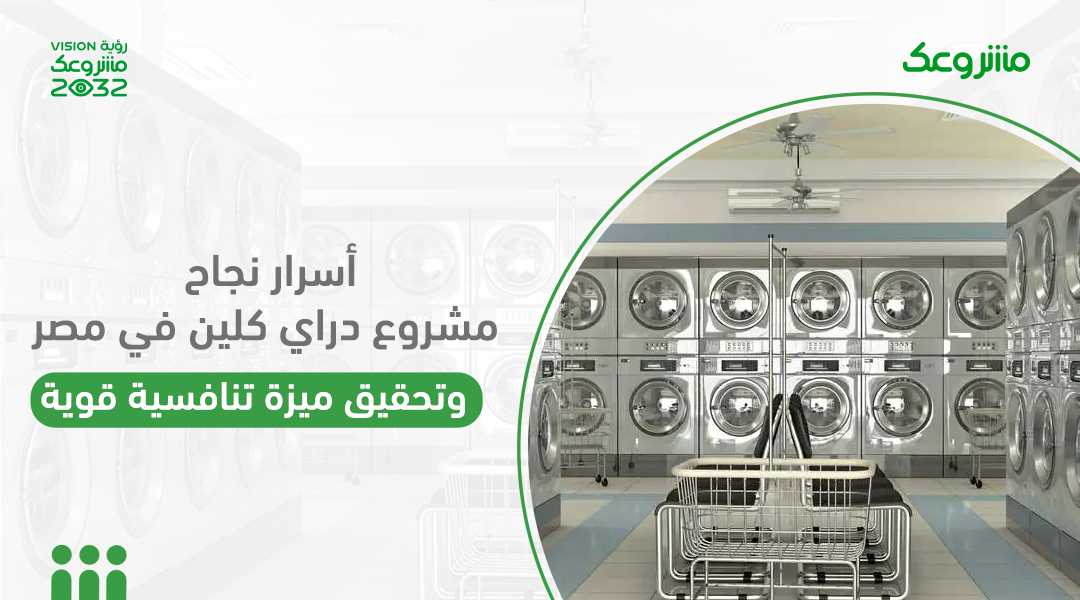
A dry cleaning business represents a promising investment opportunity within the service sector, driven by the growing demand for professional garment and textile care services that require specialized cleaning techniques to preserve quality, appearance, and fabric integrity. As modern lifestyles become increasingly fast-paced and both individuals and businesses seek convenient, time-saving solutions, dry cleaning services have become an essential part of the market.
The business offers a diverse range of services and can serve a broad customer base, including individual consumers, hotels, restaurants, healthcare facilities, corporate clients, and commercial establishments, creating opportunities for stable and recurring revenue. Furthermore, investing in advanced equipment, environmentally responsible cleaning technologies, and high operational standards helps build a strong reputation, enhance customer satisfaction, and support long-term business growth, expansion, and sustainable profitability.
A dry cleaning business is a specialized service that focuses on cleaning garments and textiles using professional cleaning solvents and specialized techniques rather than relying solely on water, as in conventional laundry. This cleaning method is specifically designed to preserve the quality, color, texture, and shape of delicate fabrics such as business suits, evening gowns, wool garments, silk clothing, and other premium textiles that may be damaged by traditional washing methods.
The business utilizes specialized dry cleaning machines, professional cleaning agents, and advanced stain-removal processes to effectively eliminate dirt, grease, and stains while protecting the integrity of the fabric. As a result, dry cleaning services are in high demand among individual consumers as well as hotels, restaurants, healthcare facilities, corporate organizations, and businesses that require professional garment care and consistently high cleaning standards.
Read Here: Best Successful Small Projects for Youth in 2026
Global market indicators show that the dry cleaning business has strong and sustainable profitability fundamentals, supported by steadily increasing demand for garment care and cleaning services. In terms of market size, the global dry cleaning and laundry services sector is projected to experience significant growth, rising from approximately $83.2 billion in 2025 to $149.1 billion by 2035, at a compound annual growth rate (CAGR) of around 6%. This reflects expanding investment opportunities and the growing commercial attractiveness of the industry.
Furthermore, laundry services account for the largest share of the market, estimated at 60% to 65%, highlighting the stability and recurring nature of demand. This reinforces the fact that garment care services are an essential daily need for individuals and institutions alike, ensuring consistent market resilience and long-term business sustainability.
A dry cleaning business is considered a strong and sustainable investment opportunity due to several key advantages that support long-term growth and stable income generation:
Read here: Are you looking for a profitable and low-cost business in the Gulf countries?
The cost of starting a dry cleaning business in Egypt varies significantly depending on several key factors, most importantly the planned business size, the type of services offered, and the quality level of equipment used. Overall, the investment can be broken down into the following main components:
| Challenge | Ways to Overcome It |
|---|---|
| High initial equipment costs | Start with essential equipment and expand gradually as the business grows. |
| Competition with laundries and similar businesses | Offer higher quality, faster service, and an excellent customer experience. |
| Need for expertise in handling fabrics and stains | Train employees properly or hire experienced staff. |
| Maintaining garment quality and avoiding damage | Use appropriate cleaning materials for each fabric type and follow correct procedures. |
| High operating costs (electricity, materials) | Reduce consumption and manage expenses efficiently. |
| Difficulty attracting customers at the start | Run marketing campaigns, launch promotions, and offer delivery services. |
| Work pressure and delayed deliveries | Organize orders and schedule tasks efficiently. |
| Maintaining customer trust | Ensure consistent quality, punctuality, and professional customer service. |
I began my journey with the dry cleaning business in Egypt after carefully studying the idea and thoroughly evaluating its feasibility on the ground. However, the project was not without challenges that could affect its performance. From the very beginning, I faced two main obstacles: establishing sound operational planning and defining a clear business roadmap on one hand, and securing the necessary funding to launch the project on the other.
In response to these challenges, I decided to turn to Mashroo3k Consulting Company, which contributed to preparing a comprehensive feasibility study covering all marketing, technical, financial, and managerial aspects. This provided me with a clearer vision and enabled more confident and accurate decision-making.
On the financing side, the company provided structured solutions that led to obtaining appropriate funding through the Micro, Small and Medium Enterprises Development Agency (MSMEDA), marking a real turning point toward an organized launch.
Today, the project stands on solid operational foundations and is performing far more efficiently than it did in its early stages.
What are the prices of dry cleaning equipment?
Dry cleaning equipment prices vary significantly depending on the size of the business, the type and quality of machines, and their production capacity. Small-scale businesses usually rely on basic equipment at lower cost, while large commercial laundries require advanced, high-capacity machines with modern technology, which are more expensive. Brand reputation, automation level, and whether the equipment is new or used also play an important role in determining the final cost.
The dry cleaning process is based on cleaning clothes using special solvents instead of water. The garments are placed inside a specialized machine that rotates them with a chemical cleaning liquid capable of dissolving grease and dirt without affecting the fabric fibers.
After that, the clothes go through a spinning and drying stage inside the same machine or a separate unit to remove any remaining solvent. They are then steam-pressed and prepared for packaging.
This method is distinguished by its ability to clean delicate fabrics such as wool, silk, and formal suits without causing shrinkage or damage, while preserving their original shape and color.
| Element | Dry Cleaning | Regular Washing |
|---|---|---|
| Cleaning method | Uses special chemical solvents instead of water | Uses water and laundry detergents |
| Suitable clothing | Delicate and luxury fabrics such as suits, silk, and wool | Everyday clothing and standard fabrics |
| Effect on fabrics | Preserves fabric quality, color, and texture for longer | May cause shrinkage or fading in some fabrics |
| Stain removal | Highly effective for oil-based and tough stains | Suitable for general dirt and water-based stains |
| Safety for clothes | Safer for delicate garments | Less suitable for sensitive fabrics |
| Cost | Relatively higher due to specialized materials and equipment | Lower and more affordable |
| Processing time | May take longer depending on the process | Often faster in simple wash cycles |
| Common usage | Hotels, formal wear, luxury garments | Home use and everyday clothing |
| Equipment used | Specialized dry cleaning machines and solvents | Standard washing machines and dryers |
| Level of care | Professional finishing and premium garment care | Basic cleaning and maintenance |
The profitability of a dry cleaning shop is generally good to high in most cases, as it relies on a recurring and essential service that is needed throughout the year. This is especially true in upscale residential areas or locations near companies and hotels.
Profitability increases as the number of daily customers grows and as the range of services expands, such as ironing, stain removal, fabric cleaning, and delivery services, which significantly boost demand. Profits are also influenced by several factors, including location, service quality, pricing, and operational scale.
When managed properly, the business can achieve a strong profit margin compared to operating costs, especially after recovering the initial equipment investment. With a stable customer base, it becomes a consistent income source with strong potential for growth and expansion over time.
Yes, a laundry business is considered highly profitable if it is properly implemented and well managed, as it provides an essential service that people consistently need. Customers regularly require clothing care services, whether for daily laundry or specialized services such as dry cleaning.
Profitability increases when a variety of services are offered, such as regular washing, ironing, dry cleaning, and delivery services, which help attract different customer segments. In addition, the steady year-round demand makes the business relatively stable in terms of income. With a good location, high-quality service, and effective marketing, the business can achieve strong profits and sustainable long-term growth.
Suitable clothing for dry cleaning mainly includes delicate garments that cannot withstand traditional water washing, such as men’s and women’s formal suits, evening dresses, and luxury clothing. It is also used for cleaning garments made of silk and wool, as well as heavy winter coats. Dry cleaning is likewise the best option for leather and suede items, along with pieces that contain embroidery or intricate details that may be damaged by regular washing.
We can say that a dry cleaning business is one of the successful service projects that combines steady demand with good profit opportunities, especially when focusing on service quality, choosing the right location, and providing an excellent customer experience. With the significant development in garment care methods, relying on dry cleaning services has become a necessity for many people, which gives this business strong potential for growth and expansion.
Therefore, if you are looking for a practical, stable, and scalable business, a dry cleaning project could be the right step toward starting a successful investment journey and building a promising professional future.

To contact us and request a feasibility study for a dry cleaning project
The kebab restaurant project is one of the food-service ventures that combines strong demand for grilled meals with the opportunity to target a diverse customer base, including individuals, families, and lovers of traditional Middle Eastern cuisine. With growing competition in the restaurant sector, however, the project’s success is no longer determined by food taste alone. […]
Read moreA children’s toy store project is not limited to selling toys; it is built on understanding what attracts children and what families look for when choosing products that combine entertainment and educational value. With the wide variety of educational toys, skill-development games, recreational toys, and gifts available, the store has opportunities to meet the needs […]
Read moreA residential complex project is no longer simply an investment in a collection of real estate units. It has evolved into an integrated development model that combines comfortable living, diverse services, and long-term investment value. As cities expand and residents’ needs evolve, demand is growing for residential complexes that offer a comprehensive environment suited to […]
Read moreThe veterinary clinic project comes at a time when animal care is no longer limited to treating illnesses or injuries, but has expanded to include health monitoring, vaccinations, routine checkups, and care for both pets and livestock. However, many animal owners face challenges in accessing specialized veterinary services that combine prompt response, high-quality care, and […]
Read more
خصم 25% على خدمات مشروعك استفد من العرض الآن، فالفرصة متاحة لفترة محدودة فقط
سجّل بياناتك واحصل على خصم 25% الآن


