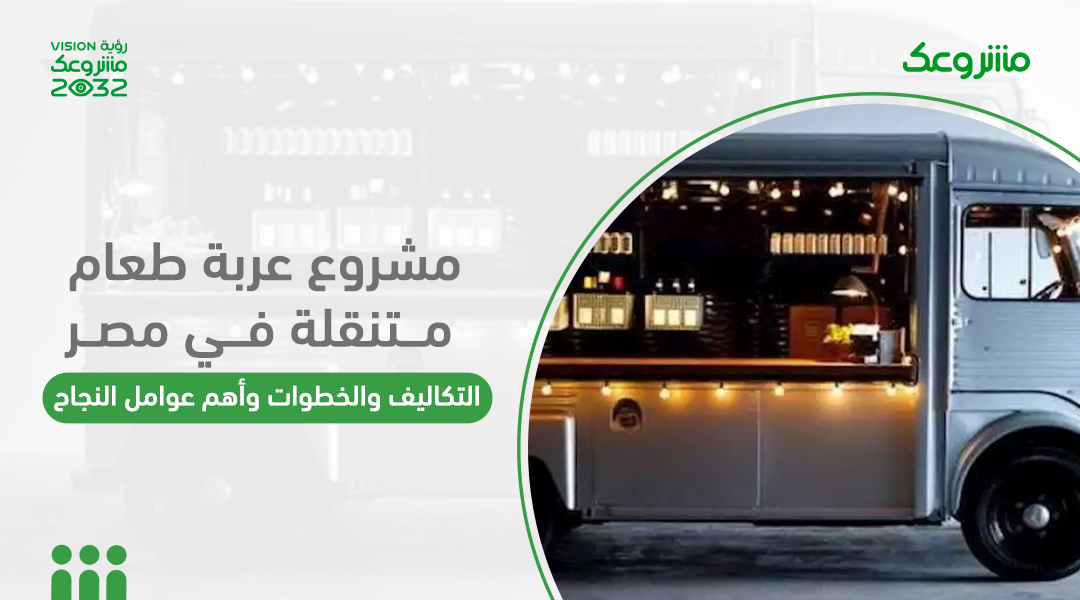
A mobile food cart project is not merely a passing investment idea; it is a gateway through which hundreds of entrepreneurs have entered the world of success with lower costs and greater flexibility compared with traditional restaurants. As the pace of life accelerates and consumer preferences continue to evolve, these carts are no longer simply platforms for serving fast food. Instead, they have become promising investment ventures with a unique ability to generate attractive returns within a relatively short period, thanks to their ability to be present wherever customers gather.
But is the idea alone enough to guarantee success? Certainly not. Behind every food cart bustling with customers lies a smart formula that combines the right choice of food concept, an in-depth market study, a carefully selected strategic location, and a memorable visual and marketing identity. In this article, we take you on a practical step-by-step journey, uncovering the strategic secrets of launching your project and transforming your food cart from a simple idea into a genuine and sustainable source of income.
A mobile food cart project is a business venture based on equipping a dedicated food cart or vehicle to sell food and beverages and moving it between different locations, such as busy streets, events, festivals, and large gatherings. The project typically offers quick or light meals, such as sandwiches, juices, coffee, or innovative food items, without the need for a permanent restaurant. This makes it a practical option that helps reduce rental and operating costs.
The project is characterized by relatively lower costs compared with traditional restaurants and provides the owner with significant flexibility in choosing sales locations based on customer density. It also enables the business to enter the market quickly, build a customer base within a short period, and expand in the future. Therefore, it is considered one of the promising modern ventures in the food industry, relying on mobility and flexibility rather than a fixed location to generate attractive profits when properly planned and implemented.
Read here: A Food Truck Project: A Profitable Investment Opportunity in the Food Industry
The mobile food cart project is considered one of the promising business opportunities worldwide, supported by the rapidly growing demand for fast and innovative food services. Market research firms estimate that the global mobile food cart market reached approximately USD 3.1 billion in 2024, reflecting the widespread adoption of this business model and its growing popularity across different countries.
Future projections also indicate that this upward trend is expected to continue, with the market forecast to grow from USD 3.305 billion in 2025 to approximately USD 6.275 billion by 2035, at a compound annual growth rate (CAGR) of 6.62% over the forecast period. This strong growth highlights significant investment opportunities and confirms that a mobile food cart project has strong potential to generate sustainable profits and support long-term expansion.
Read Here: 20 Small Business Ideas That Can Generate Huge Profits in 2026
The cost of starting a mobile food cart project varies depending on several key factors, such as the size of the cart, the type of food offered, and the quality of the equipment used. These costs are generally divided into several key categories that form the project’s financial structure:
This includes purchasing or customizing the food cart itself, along with essential cooking equipment such as grills, fryers, refrigerators, and food preparation tools, in addition to basic serving supplies needed to ensure efficient operations.
This category covers the cost of purchasing daily food ingredients such as meat, vegetables, baked goods, and beverages. Costs vary depending on product quality and sales volume, making effective inventory management essential for minimizing waste and maximizing profitability.
This includes obtaining the necessary legal permits and licenses to operate, as well as parking fees or costs associated with participating in events. It also covers equipping the cart with electricity or gas systems and ensuring compliance with health and safety standards.
This includes fuel or energy expenses, regular maintenance of the cart and equipment, as well as unexpected repairs that could affect business operations and sales continuity.
This includes creating an attractive visual identity for the food cart, promoting the business through social media, and producing professional photos of the products to attract customers. This is an essential component for increasing sales and expanding the brand’s reach.
This category includes employee wages, order management, and customer service. Costs may vary depending on the size of the project, the number of sales locations, and daily operating hours.
Read here: How to find profitable business ideas that match your budget?
| Challenges | How to Overcome Them |
|---|---|
| Difficulty selecting suitable locations | Research high-traffic areas in advance, such as events and busy locations, and change the location based on customer density. |
| High competition | Offer distinctive products with a unique concept or signature recipes and build a strong brand identity for the cart. |
| Fluctuating demand | Diversify the menu and offer seasonal promotions or meals that are suitable for peak hours. |
| Rising operating costs | Control waste, purchase materials in bulk, and select suppliers offering competitive prices. |
| Difficulty obtaining licenses | Begin the legal procedures early and ensure compliance with all municipal requirements. |
| Equipment problems and breakdowns | Perform regular maintenance and keep essential backup equipment available when needed. |
| Limited space inside the cart | Organize the workflow efficiently and use compact, multifunctional equipment. |
| Work pressure during peak hours | Train one or more assistants to ensure faster service and reduce customer waiting times. |
| Difficulty marketing the business initially | Leverage social media, professional product photography, and promotional offers. |
| Fluctuating raw material prices | Establish agreements with reliable suppliers or identify multiple alternative sources for essential materials. |
The success and long-term sustainability of a mobile food cart project require following a set of practical guidelines that improve operational efficiency and strengthen the project’s competitive position. The most important include:
Read here: How to Achieve Financial Success by Investing in Successful Small Projects
A mobile food cart is a flexible business model that allows for serving a wide variety of food. However, choosing the right type of food is a crucial factor in the project’s success. Some of the best options include:
It is preferable to choose a food concept characterized by quick preparation, low ingredient costs, and ease of serving, while taking into consideration the preferences of the target audience and the characteristics of the intended location to maximize sales.
Read Here: Best Successful Small Projects for Youth in 2026
The idea for the project began with a genuine field observation of the growing demand for fast food in high-traffic areas, which became the initial motivation to embark on this venture. However, the journey was not without challenges. From the outset, I faced several major obstacles, most notably the difficulty of proper planning, accurately determining the actual costs, and identifying the most suitable operating mechanisms. In addition, there was the challenge of securing financing and equipping the cart with the necessary equipment in compliance with the required standards.
Amid these challenges, turning to Mashroo3k Consulting proved to be a pivotal step in the project’s journey. Its specialized team prepared a comprehensive feasibility study covering all marketing, technical, financial, and administrative aspects. This provided me with a clear and accurate understanding of the implementation steps, total costs, and expected returns.
The company’s role extended beyond planning to addressing the financing challenge through structured and well-considered solutions that contributed to coordinating the process of securing financing from the Micro, Small, and Medium Enterprises Development Agency (MSMEDA). This created the appropriate foundation for launching the project in an organized and stable manner.
Today, the project is operating with tangible operational efficiency, thanks to the ongoing support and close follow-up provided by the company’s team of experts throughout the various stages of implementation.
A mobile food cart can be licensed by contacting the relevant authority in your country and submitting an official application to operate the business. You will then need to complete the required documentation, which typically includes proof of identity, a commercial registration or individual business registration, and health approval from the relevant regulatory authorities. The cart may also be inspected to ensure that it complies with safety and hygiene requirements. Afterward, the permitted operating location or area will be determined, and the applicable fees will be paid to obtain the final license, allowing you to operate legally in public spaces and at events.
Yes, in most cases, a mobile food cart requires commercial registration, as it serves as official proof that the business is being operated legally. It also facilitates obtaining the necessary licenses and dealing with government authorities and suppliers in a formal and compliant manner.
The best food truck business is one that combines strong demand, ease of operation, and healthy profit margins. Some of the most successful concepts include burgers, shawarma, coffee and hot beverages, fresh juices, crepes, and waffles, in addition to innovative fast-food concepts that provide a competitive advantage.
Ultimately, choosing the best concept depends on studying the local market, understanding customer needs in the target area, and being able to offer a distinctive, high-quality product with fast and efficient service.
Customers can be attracted to a restaurant through a range of effective strategies, the most important of which is offering high-quality food that ensures customer satisfaction and encourages repeat visits. It is also essential to focus on fast service and welcoming customer interactions, as the overall customer experience is just as important as the food itself.
Social media marketing is also one of the most powerful tools available today. This can be achieved by sharing professional photos of dishes and regularly offering promotions and discounts, in addition to choosing a suitable location in a busy, easily accessible area.
Creating distinctive dishes or adding a unique touch to the restaurant can also help differentiate it from competitors. Encouraging customers to leave ratings and positive reviews further strengthens trust and helps attract new customers.
We can confidently say that a mobile food cart project is not merely a passing idea, but a genuine opportunity for anyone seeking a practical entry into the world of entrepreneurship with limited capital and flexible resources. Success in this business is not built on luck, but on careful planning, understanding customer needs, and offering a distinctive product that stands out in a highly competitive market.
When implemented properly—from selecting a strategic location to maintaining food quality and adopting smart marketing strategies—the project can evolve from a simple mobile cart into an established brand and a stable, scalable source of income.
So, do not hesitate to take your first step today. Many successful businesses began with a small step that eventually became the seed of something much bigger.

For more information and to request a feasibility study for a mobile food cart project, contact us today.
The kebab restaurant project is one of the food-service ventures that combines strong demand for grilled meals with the opportunity to target a diverse customer base, including individuals, families, and lovers of traditional Middle Eastern cuisine. With growing competition in the restaurant sector, however, the project’s success is no longer determined by food taste alone. […]
Read moreA children’s toy store project is not limited to selling toys; it is built on understanding what attracts children and what families look for when choosing products that combine entertainment and educational value. With the wide variety of educational toys, skill-development games, recreational toys, and gifts available, the store has opportunities to meet the needs […]
Read moreA residential complex project is no longer simply an investment in a collection of real estate units. It has evolved into an integrated development model that combines comfortable living, diverse services, and long-term investment value. As cities expand and residents’ needs evolve, demand is growing for residential complexes that offer a comprehensive environment suited to […]
Read moreThe veterinary clinic project comes at a time when animal care is no longer limited to treating illnesses or injuries, but has expanded to include health monitoring, vaccinations, routine checkups, and care for both pets and livestock. However, many animal owners face challenges in accessing specialized veterinary services that combine prompt response, high-quality care, and […]
Read more
خصم 25% على خدمات مشروعك استفد من العرض الآن، فالفرصة متاحة لفترة محدودة فقط
سجّل بياناتك واحصل على خصم 25% الآن


