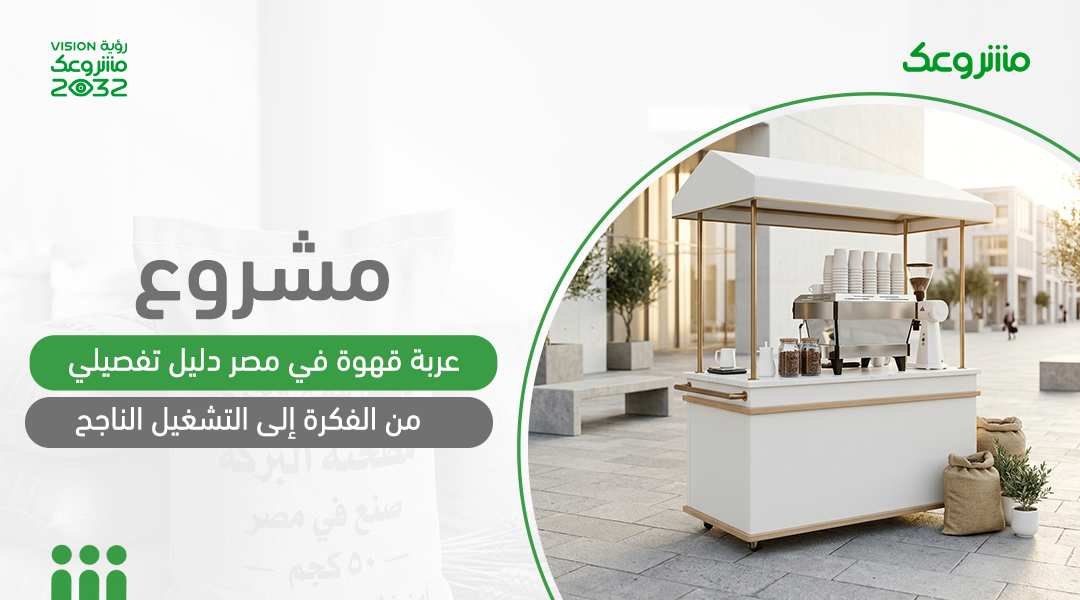
The price of a coffee cart varies depending on several factors, most notably the cart’s size, the quality of its manufacturing materials, the level of equipment and fittings, and the type of equipment included, such as an espresso machine, coffee grinder, and cooling and storage systems. The price is also affected by the cart’s design, whether it is custom-made or comes with standard equipment, as well as the country of manufacture and shipping and installation costs.
Coffee cart licensing requirements vary by country, but they typically include obtaining a business activity license, a commercial registration, municipal approvals, and compliance with health and safety requirements. Health certificates for employees may also be required. It is recommended to consult the relevant authorities to determine the regulatory requirements applicable to the project’s location.
A coffee cart business aims to provide high-quality beverages that meet customer needs and generate sustainable investment returns by utilizing high-traffic locations and increasing sales. It also seeks to build a strong brand, deliver a distinctive customer experience, and expand in the future by adding new operating locations or developing the scope of services in ways that enhance the project’s competitiveness.
Coffee beans are generally classified into four main types: Arabica, Robusta, Liberica, and Excelsa. Each type has distinct characteristics in terms of flavor, caffeine content, and growing conditions. Arabica is the most widely consumed worldwide due to its balanced flavor, while Robusta is known for its stronger taste and higher caffeine content. Liberica and Excelsa are used to a lesser extent to add distinctive flavors to coffee blends.
A coffee cart business can offer a wide variety of beverages to meet different customer preferences, including espresso, Americano, latte, cappuccino, mocha, and flat white, as well as Arabic coffee and specialty coffee. Cold beverages such as iced lattes, iced Americanos, and frappes can also be added, along with tea, hot chocolate, and seasonal beverages. This variety can help attract a broader customer base and increase sales.
A coffee cart project is considered one of the most promising investment opportunities, combining relatively low startup costs with the ability to reach customers quickly. This has made it a preferred option for many entrepreneurs looking to enter the beverage sector.
With the growing demand for specialty coffee and convenient beverages, coffee carts have promising growth opportunities across various locations and events. However, success in this business depends on more than just beverage quality. It requires careful planning, a thorough understanding of market needs, strategic site selection, and effective cost and marketing management.
In this context, we explore everything you need to launch a coffee cart project, starting with market research and the project’s essential requirements, through expected costs and the key success factors that can enhance the potential for achieving sustainable returns on investment.
Read Here: 20 Small Business Ideas That Can Generate Huge Profits in 2026
A coffee cart project is a mobile business that serves coffee as well as hot and cold beverages to customers through a cart equipped with the necessary beverage preparation and brewing equipment. It can operate in high-traffic locations such as parks, universities, shopping malls, events, and festivals.
This distinctive business model offers the flexibility to move between locations and reach target customer segments, while requiring lower startup costs compared with traditional cafés. This makes it a suitable investment opportunity for entrepreneurs and investors seeking a project with moderate capital requirements and promising growth potential.
Coffee Business: An Investment Opportunity Combining Growing Demand with Attractive Returns
Yes, a coffee cart project presents a highly viable and increasingly attractive investment opportunity, driven by the continued growth of the hot beverage sector, the expanding global specialty coffee culture, and the growing consumer preference for convenient and flexible consumption options without compromising on quality.
The strength of this market is clearly reflected in recent data, with the global coffee cart market valued at approximately USD 3.28 billion in 2026. The market is expected to maintain its upward growth trajectory, reaching approximately USD 4.87 billion by 2035, representing a compound annual growth rate (CAGR) of 4.5% over the forecast period from 2026 to 2035.
Steps to Establish a Café Business and the Key Secrets to Success and Profitability
The investment and operating costs of a coffee cart business vary depending on the project size, level of equipment, type of machinery used, and operating location. These costs include:
Coffee Mill Project: A Detailed Guide to Starting a Profitable Business from Scratch
A Detailed Guide to Starting a Coffee Roasting and Grinding Business
A market study is one of the most important stages in planning a coffee cart business, as it helps investors understand demand for coffee and ready-to-drink beverages and identify target customers and the most suitable operating locations. It also helps assess competitors, prices, and the most in-demand products, supporting the development of an appropriate marketing and pricing strategy. A coffee cart market study includes several key elements:
Read here: Discover the Best Small Project That Fits Your Resources
| Challenges | Ways to Overcome Them |
|---|---|
| High level of market competition | Offer high-quality products, develop a distinctive visual identity, and focus on customer service to build a loyal customer base. |
| Choosing an unsuitable operating location | Conduct thorough research of target locations and select areas with high foot traffic and consistent customer demand. |
| Fluctuations in raw material prices | Work with multiple suppliers, monitor market prices, and manage inventory efficiently to minimize the impact of price increases. |
| Lower sales during certain seasons | Diversify the product menu, launch seasonal promotions, and participate in events and festivals to increase customer traffic. |
| Equipment breakdowns or technical issues | Carry out regular equipment maintenance, choose high-quality equipment, and keep backup solutions available when needed. |
| Difficulty attracting customers | Rely on digital marketing, opening promotions, loyalty programs, and a distinctive customer experience that encourages repeat purchases. |
| Rising operating costs | Monitor expenses continuously, reduce waste, and improve resource management to achieve greater operational efficiency. |
| Compliance with requirements and licensing | Obtain all required licenses and comply with health and regulatory requirements to avoid violations or business interruptions. |
| Maintaining product quality as demand increases | Train employees on operating standards, use high-quality raw materials, and standardize beverage preparation procedures. |
| Expanding without a clear plan | Develop a structured expansion plan based on performance analysis, feasibility studies, and opportunity assessment before opening new locations. |
I started a coffee cart business after carefully studying the market opportunities, particularly with the growing coffee culture and increasing demand for mobile carts in high-traffic areas and at various events. Despite the high level of demand, I faced several challenges from the outset that affected the progress of the business. The most significant challenges included the lack of clear planning, difficulty accurately estimating investment and operating costs, challenges in identifying the most suitable operating location, and developing a pricing strategy that balanced competitiveness with profitability. In addition, I had limited liquidity to equip the cart and purchase the necessary equipment and raw materials.
At that point, I sought the support of the experts at Mashroo3k Consulting, who prepared a comprehensive feasibility study for the project. The study included a market study to determine the level of demand, target audience, and appropriate marketing strategies; a technical study that identified the required equipment, setup, and operating requirements; a financial study that outlined costs, revenues, and financial indicators; and an administrative study that organized the operating process and efficient project management. The company’s team also helped me prepare the financing file and fulfill the necessary requirements, enabling me to obtain financing from the Micro, Small and Medium Enterprise Development Agency (MSMEDA). This provided the necessary funding to equip the project and launch it according to a clear plan.
Thanks to this comprehensive support, project management became more efficient, operations improved, and the business became better equipped to meet growing demand. As a result, the coffee cart business became more stable and capable of achieving better results than it had before I sought the support of Mashroo3k Consulting’s experts.
The price of a coffee cart varies depending on several factors, most notably the cart’s size, the quality of its manufacturing materials, the level of equipment and fittings, and the type of equipment included, such as an espresso machine, coffee grinder, and cooling and storage systems. The price is also affected by the cart’s design, whether it is custom-made or comes with standard equipment, as well as the country of manufacture and shipping and installation costs.
Coffee cart licensing requirements vary by country, but they typically include obtaining a business activity license, a commercial registration, municipal approvals, and compliance with health and safety requirements. Health certificates for employees may also be required. It is recommended to consult the relevant authorities to determine the regulatory requirements applicable to the project’s location.
A coffee cart business aims to provide high-quality beverages that meet customer needs and generate sustainable investment returns by utilizing high-traffic locations and increasing sales. It also seeks to build a strong brand, deliver a distinctive customer experience, and expand in the future by adding new operating locations or developing the scope of services in ways that enhance the project’s competitiveness.
Coffee beans are generally classified into four main types: Arabica, Robusta, Liberica, and Excelsa. Each type has distinct characteristics in terms of flavor, caffeine content, and growing conditions. Arabica is the most widely consumed worldwide due to its balanced flavor, while Robusta is known for its stronger taste and higher caffeine content. Liberica and Excelsa are used to a lesser extent to add distinctive flavors to coffee blends.
A coffee cart business can offer a wide variety of beverages to meet different customer preferences, including espresso, Americano, latte, cappuccino, mocha, and flat white, as well as Arabic coffee and specialty coffee. Cold beverages such as iced lattes, iced Americanos, and frappes can also be added, along with tea, hot chocolate, and seasonal beverages. This variety can help attract a broader customer base and increase sales.
It is clear that this remains one of the projects that combines ease of entry with the potential for continuous growth when built on well-planned foundations. Every decision, from selecting the location and equipment to identifying the target audience and managing operations and marketing, directly impacts the project’s performance and profitability. Therefore, preparing a professional feasibility study before implementation is the first step toward a successful investment, as it provides a clear view of costs, expected revenues, opportunities, and challenges, helping you make more informed investment decisions. If you are planning to launch a coffee cart business with confidence, relying on the experts at Mashroo3k Consulting to prepare a comprehensive feasibility study can be your ideal partner in turning your idea into a successful, competitive project capable of generating sustainable returns.

For inquiries and to request a feasibility study for a coffee cart project
The kebab restaurant project is one of the food-service ventures that combines strong demand for grilled meals with the opportunity to target a diverse customer base, including individuals, families, and lovers of traditional Middle Eastern cuisine. With growing competition in the restaurant sector, however, the project’s success is no longer determined by food taste alone. […]
Read moreA children’s toy store project is not limited to selling toys; it is built on understanding what attracts children and what families look for when choosing products that combine entertainment and educational value. With the wide variety of educational toys, skill-development games, recreational toys, and gifts available, the store has opportunities to meet the needs […]
Read moreA residential complex project is no longer simply an investment in a collection of real estate units. It has evolved into an integrated development model that combines comfortable living, diverse services, and long-term investment value. As cities expand and residents’ needs evolve, demand is growing for residential complexes that offer a comprehensive environment suited to […]
Read moreThe veterinary clinic project comes at a time when animal care is no longer limited to treating illnesses or injuries, but has expanded to include health monitoring, vaccinations, routine checkups, and care for both pets and livestock. However, many animal owners face challenges in accessing specialized veterinary services that combine prompt response, high-quality care, and […]
Read more
خصم 25% على خدمات مشروعك استفد من العرض الآن، فالفرصة متاحة لفترة محدودة فقط
سجّل بياناتك واحصل على خصم 25% الآن


