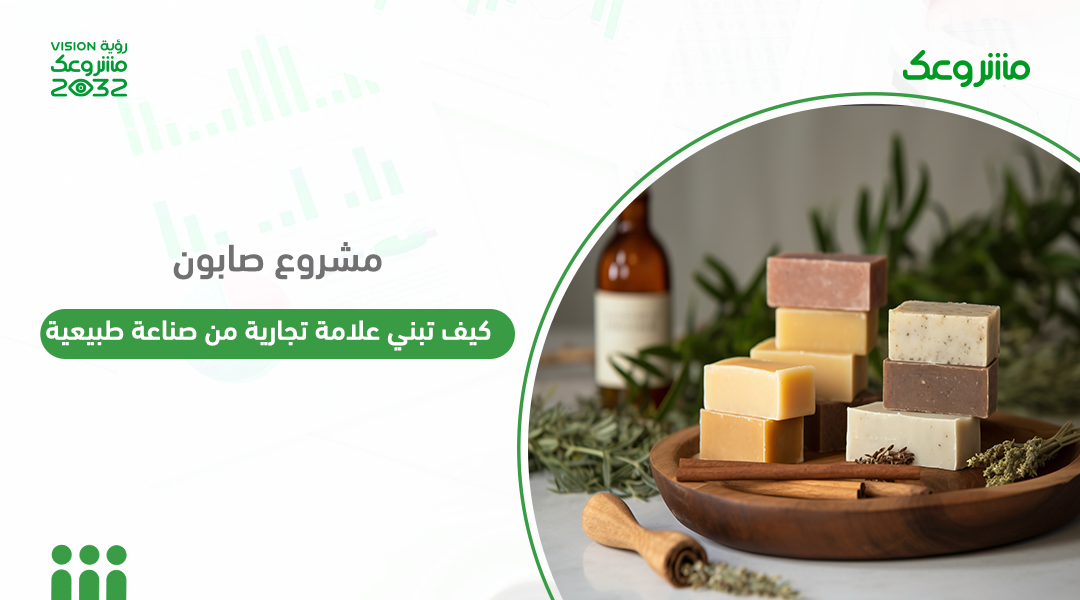
The soap project is considered one of the most promising ventures, witnessing remarkable growth in recent years due to increasing consumer awareness and demand for safe, natural, and organic products for skin care. This project focuses on producing a variety of soaps using natural ingredients such as vegetable oils, herbs, and essential oils, giving it a strong competitive edge in both local and international markets. Among the key advantages of this project are low initial operating costs and the ease of marketing through digital channels and social media platforms, allowing access to a wide audience at minimal cost.
In this article, we will detail the essential steps to start a successful soap project, highlight the main features and operational requirements, and provide effective guidelines for achieving sustainable profits and building a trustworthy brand in this field.
A soap project is an industrial venture aimed at producing various types of soaps, such as medicinal soap, skincare soap, baby soap, and laundry soap, using either natural or chemical ingredients according to quality and safety standards. The project focuses on meeting the growing demand for hygiene and personal care products, making it a sustainable business in local and regional markets.
To launch this project successfully, it requires a properly equipped production unit with necessary machinery, high-quality raw materials, and adherence to regulatory requirements by obtaining approved industrial and health licenses. The project can target diverse market segments, including individuals, hospitals, beauty salons, and stores specializing in natural and organic products. With a well-studied business plan, focus on quality, and effective marketing, the project has strong potential for significant financial returns and sustainable growth.
Yes, the soap project is considered highly successful and sustainable, supported by strong statistical indicators showing rapid growth and increasing demand. The global market for soaps and detergents reached $126.49 billion in 2024, and revenues are expected to rise to $185.09 billion by 2030, achieving a compound annual growth rate (CAGR) of 6.5% from 2024 to 2030, according to Grand View Research.
The cost varies greatly depending on strategic and technical factors, primarily the type of soap being produced. Traditional solid soap is cheaper than liquid, medicinal, or premium organic soap, which requires precise manufacturing standards and higher-quality ingredients. Planned production capacity directly affects investment size, as small, medium, or large industrial lines have different requirements in terms of space and equipment.
The type of equipment and automation level also play a key role: manual or semi-automatic machines suit limited initial investment, while fully automated systems provide higher efficiency and consistent quality but require larger capital and technical expertise.
Additionally, site preparation costs (infrastructure, ventilation, safety systems), raw material quality, and ongoing operational costs (labor, energy, maintenance) all factor into the total cost. Flexibility for expansion or adding new products is a long-term investment consideration crucial during planning to ensure sustainability and growth potential.
Technical Feasibility:
Read here: 7 Key Elements That Form the Basis of a Technical Feasibility Study for Projects
Financial Feasibility:
Read here: The Importance of Having a Financial Feasibility Study for Your Investment Project
Marketing Feasibility:
Read here: Marketing Feasibility Study – Definition, Importance, Preparation Method, and Key Tools
Administrative Feasibility:
Read here: Feasibility Study – Its Importance, How to Prepare It, and How to Conduct a Feasibility Study
Is a soap-making project profitable?
Yes, it offers high profit margins due to low production costs versus competitive selling prices, continuous daily demand, relatively low initial capital, fast ROI, job creation, and flexibility for expansion, making it a safe and sustainable investment.
What are the primary raw materials?
Natural soap requires a blend of vegetable or animal oils (extra virgin olive oil, coconut oil, sustainable palm oil, castor oil, shea butter, cocoa butter) with sodium hydroxide (solid soap) or potassium hydroxide (liquid soap) and purified water. Additional value-added ingredients include natural/organic essential oils, herbs, honey, milk, natural colorants, and therapeutic oils (tea tree, aloe vera, lavender).
What are the required tools and supplies?
Vegetable or animal oils, soap base (lye), fragrances, colors, mixing equipment, molds, and packaging tools.
Cold vs. Hot Soap-Making Methods:
Cold method preserves oils and natural glycerin, giving better scent and texture, but requires weeks of curing. Hot method cooks the mixture, ready to use immediately, but may lose some heat-sensitive nutrients.
Steps to make soap:
Mix raw materials → heat or rest mixture → pour into molds → let solidify → cut and package.
What makes soap solid?
Sodium hydroxide reacts with oils to form solid soap.
The soap project is one of the most successful and sustainable ventures today, combining simplicity, high profitability, and growth potential. By using pure natural ingredients, offering diverse products for all skin types, packaging elegantly, and marketing smartly through digital platforms, you can build a strong and trustworthy brand in a market eager for safe, eco-friendly products. For a safe, low-cost, fast-return, and scalable investment, the soap project is your gateway to success and financial independence.

For inquiries and to request a feasibility study for a soap project
The kebab restaurant project is one of the food-service ventures that combines strong demand for grilled meals with the opportunity to target a diverse customer base, including individuals, families, and lovers of traditional Middle Eastern cuisine. With growing competition in the restaurant sector, however, the project’s success is no longer determined by food taste alone. […]
Read moreA children’s toy store project is not limited to selling toys; it is built on understanding what attracts children and what families look for when choosing products that combine entertainment and educational value. With the wide variety of educational toys, skill-development games, recreational toys, and gifts available, the store has opportunities to meet the needs […]
Read moreA residential complex project is no longer simply an investment in a collection of real estate units. It has evolved into an integrated development model that combines comfortable living, diverse services, and long-term investment value. As cities expand and residents’ needs evolve, demand is growing for residential complexes that offer a comprehensive environment suited to […]
Read moreThe veterinary clinic project comes at a time when animal care is no longer limited to treating illnesses or injuries, but has expanded to include health monitoring, vaccinations, routine checkups, and care for both pets and livestock. However, many animal owners face challenges in accessing specialized veterinary services that combine prompt response, high-quality care, and […]
Read more
خصم 25% على خدمات مشروعك استفد من العرض الآن، فالفرصة متاحة لفترة محدودة فقط
سجّل بياناتك واحصل على خصم 25% الآن


