هذا النص هو مثال لنص يمكن أن يستبدل في نفس المساحة، لقد تم توليد هذا النص من مولد النص العربى، حيث يمكنك أن تولد مثل هذا النص أو العديد من النصوص الأخرى إضافة إلى زيادة عدد الحروف التى يولدها التطبيق.
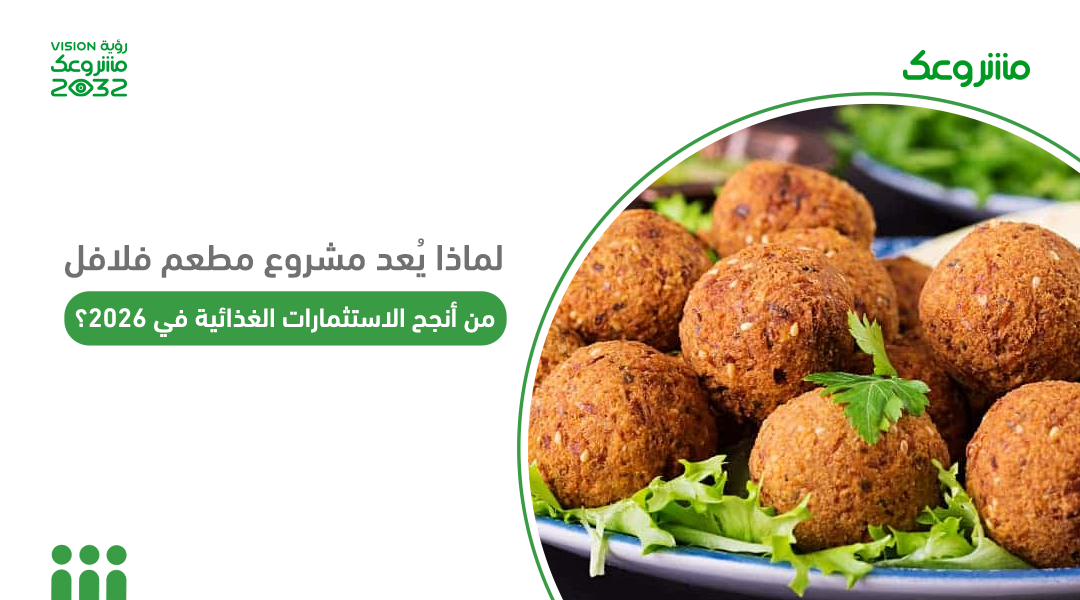
A falafel restaurant project holds a distinctive position in the world of food investment—not only because of its widespread popularity across generations and social segments, but also due to its reliance on a simple, beloved, and affordable product that is in daily demand around the clock. At first glance, it may seem like a traditional venture. However, with precise planning and a professional vision, it transforms into a smart investment opportunity characterized by low risk, fast cash flow, and strong potential for growth and expansion. Therefore, launching a falafel restaurant today is not merely a venture—it is a well-founded investment decision supported by a realistic feasibility study, meeting a genuine market need and delivering sustainable returns for entrepreneurs seeking stability in an ever-changing world.
What is a falafel restaurant project?
A falafel restaurant project is considered one of the promising food ventures, centered on offering falafel as the core product—whether served in sandwiches or as ready-made plates—with the option to enrich the menu with complementary items such as French fries and fresh salads. This project is based on the concept of providing a quick-to-prepare meal that enjoys broad popularity and relatively low operating costs compared to other types of restaurants.
A falafel restaurant project is distinguished by the simplicity of its operational cycle and ease of management. It relies on locally available ingredients at reasonable prices and clear production processes that do not require complex equipment or highly specialized technical expertise. Moreover, it targets a broad and diverse customer base across different age groups and social segments, making it an attractive option for investors seeking a food business with steady and sustainable demand.
Thanks to its simple nature and the replicability of its operating model, the project can be expanded to include multiple branches and even developed into a distinctive brand in the fast-food market—provided it is managed through a well-studied strategic vision that integrates product quality, customer experience, and operational efficiency.
Is a falafel restaurant project profitable?
A falafel restaurant project is considered a profitable investment opportunity, as confirmed by market indicators and reliable statistics. According to available data, the falafel sector is expected to achieve a compound annual growth rate (CAGR) of 8.5% during the period from 2025 to 2033, reflecting the growing demand for this meal and the expanding consumer base worldwide. This relatively high growth rate highlights the promising investment opportunities the project offers—particularly for investors seeking stable returns in the fast-food sector—thanks to its simple operating model, relatively low costs, and the consistent, ongoing demand for the product.
What are the main features of a falafel restaurant project?
A falafel restaurant project enjoys a number of strong competitive advantages that make it an attractive and relatively low-risk option compared to many other food ventures. The most prominent of these advantages are as follows:
A steady daily demand for falafel throughout the year, regardless of seasonal fluctuations or special occasions, ensuring consistent sales.
Relatively low investment risks, thanks to the simplicity of the product, ease of marketing, and broad public acceptance as a familiar and in-demand meal.
Ease of daily operations and management, without the need for specialized technical staff or highly paid professional chefs, which reduces operational burdens.
Operational costs are subject to control, given that the project relies on basic components that are locally available and relatively stable in price, which reduces fluctuations in profit margins.
Rapid turnover of capital, resulting from high daily sales and regular cash flows, which enhances financial liquidity and the project’s capacity for self-renewal.
The possibility of seamless geographical expansion, whether by establishing multiple branches within the same city or extending to other cities, thanks to the replicability of the operational model.
The potential to transform into an organized restaurant chain with a unified visual and operational identity, and replicable financial performance, paving the way for building a strong brand.
Flexibility in development and innovation, allowing the introduction of new varieties or flavors (such as falafel with innovative spices or healthy options) while maintaining the core identity of the product and its traditional appeal.
What is the cost of a falafel restaurant project?
The cost of establishing a falafel restaurant project varies according to a number of key factors, which include the following items:
Location and Space Costs: The project’s cost is significantly influenced by the restaurant’s location, the size of the premises, and the chosen system (rental or ownership).
Equipment and Décor Costs: This includes interior finishing works, façade design, and development of the visual identity in line with the target audience and brand nature.
Operational Equipment Costs: Such as falafel fryers, dough mixers, refrigerators, cooling and display units, and essential preparation and serving tools.
Raw Materials and Initial Operating Requirements: Includes the basic raw materials to start production, packaging, containers, and daily operational supplies.
Labor Costs: Depend on the number of employees, the nature of shifts, working hours, and the operating system (daytime, nighttime, or 24/7).
Licenses and Official Permits Costs: Vary depending on regulatory requirements and local legislation in the project’s geographic location.
Marketing and Launch Costs: Cover opening promotional campaigns, signage design, establishing a digital presence, and customer engagement activities during the first weeks of operation.
By carefully managing these cost components, an investor can build an efficient operational model that balances quality and expenses, contributing to sustainable returns from the very early stages of operation.
Feasibility Study for a Falafel Restaurant Project
The Marketing Study of the Project
Conduct an in-depth market study to assess the actual demand for falafel meals in the target area, analyzing consumption patterns and customer behaviors.
Analyze direct and indirect competitors to identify their strengths and weaknesses, learning from their mistakes and capitalizing on market gaps.
Accurately define target segments, including employees, students, families, and lovers of affordable fast food.
Identify the project’s unique competitive advantages and leverage market opportunities to build a distinctive and sustainable position in customers’ minds.
Develop a balanced pricing strategy that combines customer appeal with a reasonable profit margin, while maintaining ingredient quality and service standards.
Diversify distribution channels to include in-restaurant sales, delivery services through digital platforms, and order-taking via phone and smart applications.
Implement targeted digital marketing campaigns on social media platforms and paid Google ads to reach target audiences effectively.
Design seasonal promotional offers and innovative loyalty programs, such as discounts for regular customers and a points accumulation system, to enhance loyalty.
Establish a regular mechanism to measure customer satisfaction through instant surveys and feedback analysis, turning insights into tangible improvements in products and services.
Prepare a long-term expansion plan, including developing the menu with innovative items and gradually increasing the number of branches based on the performance of the initial location.
Structure the initial investment capital, including costs for leasing the location, preparing infrastructure, purchasing essential equipment, and securing the initial inventory of food ingredients.
Determine monthly operating costs, categorized into fixed costs (e.g., rent, basic salaries) and variable costs (e.g., electricity and water bills, raw materials, equipment maintenance, and transportation and administrative expenses).
Prepare accurate projections of monthly and annual revenues based on the target average daily sales, number of meals served, and average transaction value.
Calculate the break-even point to identify the minimum daily sales required to cover costs, along with the estimated time to reach profitability.
Analyze key financial indicators, including return on investment (ROI), payback period, net present value (NPV), and internal rate of return (IRR).
Develop a contingency financial plan that includes a cash reserve to handle seasonal fluctuations or unexpected expenses.
Implement a regular financial control system, including monthly report reviews, comparison of actual performance against projections, and operational adjustments to ensure financial sustainability.
The Organizational and Administrative Study of the Project
Define the management hierarchy, including General Manager, Kitchen Manager, and Customer Service Manager, with clear allocation of authority and responsibilities.
Outline all operational and technical roles, such as chefs, packaging staff, reception and delivery personnel, and inventory managers, with detailed descriptions of daily tasks for each position.
Establish standard operating procedures (SOPs) to ensure adherence to quality and safety standards, as well as effective communication between different teams within the restaurant.
Define performance monitoring mechanisms, track production and sales, and regularly evaluate employee performance to ensure continuous improvement.
Implement training programs for kitchen and customer service staff to enhance efficiency and improve service quality.
Utilize inventory management systems, point-of-sale (POS) solutions, and scheduling and performance-tracking tools to ensure smooth and effective operations.
Requirements for Opening a Falafel Restaurant
Comply with the planning requirements and standards enforced by the relevant municipality, noting that the minimum space requirement varies depending on the municipal authority and geographic area (it is recommended to verify the minimum requirement with the local municipality before selecting a site).
Provide a valid commercial registration clearly specifying the licensed activity (preparing and selling falafel meals and related food items).
Fully adhere to all provisions of the Saudi Building Code (SBC) regarding engineering standards, safety, fire protection, and sanitation.
Design and equip food preparation and storage facilities appropriate to the scale of the operation, ensuring that all fixed equipment does not pose a risk to food safety or hinder cleaning processes.
Design and install an effective and integrated wastewater system that completely prevents potential contamination of drinking water sources, food production areas, surfaces, or food-contact equipment.
Use moisture- and fire-resistant materials for all walls and internal partitions, ensuring they are easy to clean and sanitize.
Paint walls in food preparation, handling, and storage areas with light colors and cover them with durable, cleanable materials up to at least 1.80 meters from the floor, avoiding protrusions or ledges that could obstruct cleaning.
Install at least one hand-washing sink directly within the food preparation area, equipped with hot and cold water, soap dispenser, paper towels or hand dryer, and a covered waste bin, along with a warning sign indicating it is for hand washing only.
Ensure all food-contact surfaces are made of smooth, non-porous, and easily cleanable materials, preventing any contamination of food products.
Obtain prior approval from Civil Defense before issuing the license, confirming that the facility meets all fire protection requirements.
Comply with all general hygiene and food safety regulations issued by the relevant authorities (Ministry of Health, Saudi Food and Drug Authority) as a prerequisite for municipal licensing.
10 Tips to Ensure the Success and Sustainability of a Falafel Restaurant Project
Choose a strategic location near markets or busy areas to ensure a steady flow of customers.
Use high-quality raw ingredients to guarantee a distinctive taste and attract loyal customers.
Diversify the menu by adding side dishes or innovative sauces to cater to different tastes.
Train and qualify staff, including chefs and service teams, to maintain quality, speed, and excellent customer interaction.
Leverage social media and local advertising to attract customers and increase brand awareness.
Set fair pricing that aligns with the market while ensuring sustainable profitability.
Maintain cleanliness of the kitchen, restaurant, and products to guarantee customer safety.
Engage with customers and respond to their feedback to ensure satisfaction and repeat visits.
Monitor costs and revenues regularly and analyze performance to maintain ongoing profitability.
Keep up with market trends and continuously improve products and services to stay competitive.
Frequently Asked Questions About the Falafel Restaurant Project
Falafel Restaurant Profits
The profits of a falafel restaurant depend on daily sales volume, location, and management efficiency. It is considered a fast-turnover project with the ability to achieve stable profit margins, thanks to daily customer demand and relatively low waste compared to other types of restaurants.
What You Need to Open a Falafel Shop
To open a falafel shop, you need to choose a suitable location, obtain the necessary licenses, equip the kitchen with essential tools, provide trained staff, and secure reliable sources for raw materials. A clear operational and marketing plan from day one is essential to ensure a smooth launch and sustained success.
Falafel Restaurant Essentials
The essentials include all preparation and frying equipment, refrigeration and storage units, serving and packaging tools, basic raw materials, and hygiene and food safety supplies—ensuring product quality and building customer trust.
How Much Does a Falafel Shop Cost?
The cost of opening a falafel restaurant in Saudi Arabia varies depending on the city, location, project size, and level of equipment. However, it is classified among flexible food ventures that can be implemented through multiple investment models, suitable for different types of investors.
Conclusion: Falafel Restaurant Investment
We conclude that successful investment does not rely on complex ideas but on ventures proven to provide continuity and stable returns. A falafel restaurant exemplifies this type of investment, combining operational simplicity, consistent demand, and ease of cost control.
With careful planning, selecting the right location, and competent management, this project can grow from a single operational unit into a brand capable of horizontal expansion across multiple sites. Therefore, investing in a falafel restaurant today is a wise step toward a relatively low-risk food venture, capable of achieving growth and financial stability within a reasonable timeframe.
For inquiries and to request a feasibility study for a falafel restaurant project
The kebab restaurant project is one of the food-service ventures that combines strong demand for grilled meals with the opportunity to target a diverse customer base, including individuals, families, and lovers of traditional Middle Eastern cuisine. With growing competition in the restaurant sector, however, the project’s success is no longer determined by food taste alone. […]
A children’s toy store project is not limited to selling toys; it is built on understanding what attracts children and what families look for when choosing products that combine entertainment and educational value. With the wide variety of educational toys, skill-development games, recreational toys, and gifts available, the store has opportunities to meet the needs […]
A residential complex project is no longer simply an investment in a collection of real estate units. It has evolved into an integrated development model that combines comfortable living, diverse services, and long-term investment value. As cities expand and residents’ needs evolve, demand is growing for residential complexes that offer a comprehensive environment suited to […]
The veterinary clinic project comes at a time when animal care is no longer limited to treating illnesses or injuries, but has expanded to include health monitoring, vaccinations, routine checkups, and care for both pets and livestock. However, many animal owners face challenges in accessing specialized veterinary services that combine prompt response, high-quality care, and […]