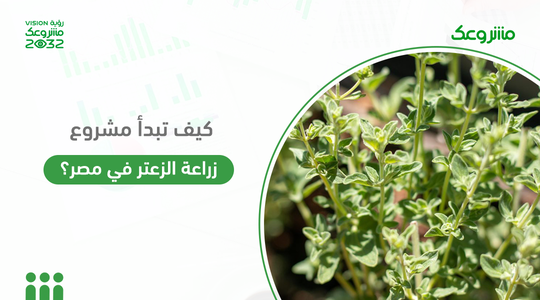
The thyme farming project is considered one of the most promising agricultural investment opportunities at the present time, due to the steadily growing local, regional, and global demand driven by its wide range of uses in the food, medical, and fragrance industries. This project is characterized by relatively low establishment costs, limited water and agricultural input requirements, and a high profit margin, making it an attractive investment option for both beginner entrepreneurs and experienced investors seeking a sustainable and rapidly scalable agricultural model.
In this article, we take you on a comprehensive tour to fully understand the nature of the project and its real opportunities. We highlight its key advantages, explain why it is suitable for different categories of investors, and guide you step by step through the practical implementation stages—from selecting the appropriate site and preparing the land to harvesting and marketing. We also provide a realistic cost estimate, accurate revenue projections, and a simplified, practical feasibility study that gives you a clear vision to help you make a well-informed and sound investment decision.
The thyme farming project is one of the most promising and profitable agricultural ventures. Thyme is classified as a medicinal and aromatic plant with high local and global demand due to its multiple uses in the food, pharmaceutical, cosmetics, and perfume industries. Thyme is easy to grow and adaptable to most soil types, especially well-drained sandy and light soils. It also requires limited water and prefers direct sunlight, making it an ideal crop for Egyptian regions with dry climates such as Sinai, the New Valley, and several governorates in Upper Egypt and the Delta.
Yes, the thyme farming project is considered a highly promising and profitable investment, given the rapid growth in global demand—especially in the organic segment. In 2023, the estimated value of the organic thyme market reached approximately USD 466.8 million, and it is expected to expand significantly to reach USD 1.77 billion by 2030, recording a compound annual growth rate (CAGR) of about 21% during the period from 2024 to 2030. These indicators reflect a strong investment opportunity, particularly with the increasing health awareness and consumers’ shift toward natural and organic products, making thyme cultivation an attractive option for entrepreneurs and investors targeting sustainable agriculture and export-oriented markets.
The thyme farming project offers several advantages that make it an attractive and profitable investment, including:
Many people wonder how to start a thyme farming project. The most important steps include:
The overall project cost can be estimated through the following items:
Read here: 7 Essential Elements That Form the Basis of a Technical Feasibility Study for Projects
Read here: Financial Feasibility Study for Project Owners (Definition, Objectives, and Components)
Read here: Marketing Feasibility Study – Definition, Importance, Preparation Method, and Key Tools
Read here: Feasibility Study (Definition, Objectives, Steps, Components, and Template)
Read here: Feasibility Study Provided by Mashroo3k Consulting Company
Medicinal and aromatic plants represent a fundamental pillar of Egypt’s agricultural, medical, and cultural heritage. Egypt occupies advanced global positions in exporting medicinal herbs and essential oils, generating significant economic returns and supporting the balance of payments.
Can thyme be grown in Egypt?
Yes, thyme can be grown successfully in Egypt, especially in areas with a moderate climate, well-drained soil, and semi-arid sandy conditions.
How long does it take for thyme to grow?
The growth period of thyme depends on the planting method. Seeds typically germinate within about two weeks, and plants grown from seedlings reach the harvest stage in approximately 3 to 4 months.
How much thyme does one hectare produce?
The yield per hectare of thyme usually ranges between 1.5 to 2 tons of dried material per year.
What is the yield per feddan of thyme?
The yield per feddan (approximately 0.42 hectares) of thyme is about 600 to 800 kilograms.
Is thyme difficult to grow?
Thyme is not a difficult plant to cultivate, but it requires light, well-drained soil with a pH between 5 and 8, direct sunlight, and a warm to moderate climate. Excess moisture and stagnant water can harm the plant.
What is the best fertilizer for thyme?
It is recommended to use organic fertilizers such as compost or farmyard manure to improve soil quality, along with balanced mineral fertilizers containing moderate amounts of nitrogen, phosphorus, and potassium to enhance plant growth and leaf quality.
| Feature | Wild Thyme | Common Thyme |
|---|---|---|
| Cultivation Method | Grows naturally in mountainous and wild areas without agricultural intervention; resilient to harsh environmental conditions. | Cultivated in gardens and farms; provides higher yields in systematic farming. |
| Usage | Widely used in herbal remedies and health applications; highly effective against bacteria and fungi due to its high essential oil content. | Mainly used in global cuisine for seasoning meats and poultry; medicinal benefits are milder compared to wild thyme. |
| Appearance and Taste | Small, rough leaves, dark green or grayish in color; strong, sharp flavor with a hint of bitterness. | Larger, softer leaves, light green in color; milder, more balanced, and slightly sweet taste, suitable for everyday use. |
| Benefits | Higher content of essential oils such as thymol and carvacrol, which have antimicrobial and anti-inflammatory properties with strong therapeutic effects. Rich in vitamins and minerals like vitamin C, vitamin A, and iron, supporting general health, though at lower levels than wild thyme. | Good source of vitamins and minerals; milder therapeutic properties than wild thyme. |
We conclude that the thyme cultivation project represents a promising investment opportunity, combining ease of implementation with high market demand. By understanding the initial steps, analyzing costs, and following essential guidelines that enhance project success, investors are better positioned to achieve stable and sustainable returns. Thus, choosing an agricultural venture like thyme cultivation serves as a true starting point for building a long-term profitable business.

To get in touch and request a feasibility study for the thyme cultivation project
The kebab restaurant project is one of the food-service ventures that combines strong demand for grilled meals with the opportunity to target a diverse customer base, including individuals, families, and lovers of traditional Middle Eastern cuisine. With growing competition in the restaurant sector, however, the project’s success is no longer determined by food taste alone. […]
Read moreA children’s toy store project is not limited to selling toys; it is built on understanding what attracts children and what families look for when choosing products that combine entertainment and educational value. With the wide variety of educational toys, skill-development games, recreational toys, and gifts available, the store has opportunities to meet the needs […]
Read moreA residential complex project is no longer simply an investment in a collection of real estate units. It has evolved into an integrated development model that combines comfortable living, diverse services, and long-term investment value. As cities expand and residents’ needs evolve, demand is growing for residential complexes that offer a comprehensive environment suited to […]
Read moreThe veterinary clinic project comes at a time when animal care is no longer limited to treating illnesses or injuries, but has expanded to include health monitoring, vaccinations, routine checkups, and care for both pets and livestock. However, many animal owners face challenges in accessing specialized veterinary services that combine prompt response, high-quality care, and […]
Read more
خصم 25% على خدمات مشروعك استفد من العرض الآن، فالفرصة متاحة لفترة محدودة فقط
سجّل بياناتك واحصل على خصم 25% الآن


