هذا النص هو مثال لنص يمكن أن يستبدل في نفس المساحة، لقد تم توليد هذا النص من مولد النص العربى، حيث يمكنك أن تولد مثل هذا النص أو العديد من النصوص الأخرى إضافة إلى زيادة عدد الحروف التى يولدها التطبيق.
The Mini Cake Project is considered one of the most prominent and attractive investment opportunities in the food and confectionery sector, especially with the rapid shift in modern consumption patterns that favor quick, convenient, and visually appealing products. Cake is no longer reserved for major occasions or traditional tables; its smart, miniature size has turned it into an ideal daily option that suits fast-paced lifestyles. Individuals find it a convenient solution for a delicious treat anytime, cafés and coffee shops adopt it to enrich their menus with appealing and easy-to-display products, and event organizers prefer it for its ease of distribution and variety of shapes and flavors. What further enhances the attractiveness of this project is its relatively high profit margin compared to the low cost of raw materials, the ability to start with limited capital, and the potential for gradual expansion—from small-scale production to supplying retail shops, online stores, or even opening specialized sales points
Amid the growing demand for innovative and relatively healthy modern desserts (such as low-sugar or plant-based options), and the potential for wide reach and promotion through social media, this project becomes an ideal model for small and medium-sized enterprises capable of rapid growth and strong market competition.
What is the Mini Cake Project?
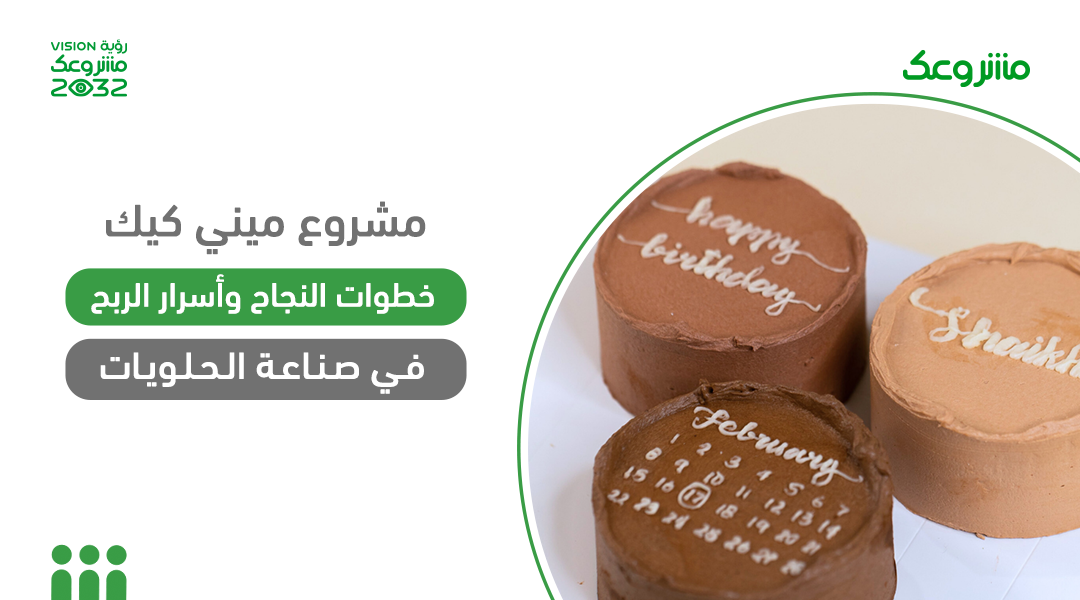
The Mini Cake Project is a business venture specializing in the production and sale of small cakes.Its appeal also lies in its size, featuring a variety of shapes and flavors. The project targets a wide range of customers, including individuals, cafés, restaurants, event management companies, as well as special orders for occasions such as birthdays, engagement and wedding parties, formal meetings, and even marketing campaigns.
The project relies on producing high-quality products within a shop equipped to meet the highest food safety and hygiene standards. There is also the possibility to customize designs and shapes according to customer preferences and the nature of the occasion. Notably, the project offers operational flexibility and the ability to adapt to diverse market needs, making it a promising investment opportunity in the confectionery sector. Its success is built on several key pillars, most notably the quality of raw materials used, innovation in presentation and display, a carefully considered pricing policy, and an effective marketing strategy that helps establish a strong and competitive brand.
Is the mini cake project profitable?
Yes, the Mini Cake project is considered a highly successful and profitable venture, benefiting from the growth of the global cake market. According to Fortune Business Insights, the market size reached approximately USD 86.15 billion in 2025 and is expected to increase to USD 89.69 billion in 2026, ultimately reaching USD 128.31 billion by 2034, achieving a compound annual growth rate (CAGR). With a projected CAGR of 4.58% from 2026 to 2034, this growth is driven by changing consumption patterns, increased demand for modern desserts that combine high quality with visual appeal, the rise of mini-event culture, and consumer preference for customizable products. Undoubtedly, the Mini Cake project benefits from relatively high profit margins and rapid expansion potential, especially in emerging markets such as the Gulf and the Middle East, where demand for innovative sweets suited to modern lifestyles is steadily increasing.
What are the main features of the Mini Cake project?
The advantages of the Mini Cake project lie in a set of factors that make it one of the successful ventures in the confectionery sector. At the forefront of these advantages are:
There is a high and growing demand in the market, as mini cakes are very popular for occasions, events, cafes, and everyday gifts.
A wide variety of targeted categories, including individuals, companies, event organizers, restaurants, and cafés.
High production flexibility allows for the diversification of flavors, sizes, shapes, and custom designs according to the needs and preferences of customers.
A strong marketing appeal relying on an attractive aesthetic, making promotion through social media platforms extremely easy and effective.
The existence of a substantial profit margin due to the significant difference between the relatively low production cost and the selling price.
Possibility of future expansion through adding branches, contracting with commercial entities, or expanding distribution channels (online and offline).
A significant decrease in waste due to the small size, which reduces loss compared to the traditional large cake.
An excellent opportunity to build a strong brand through quality excellence, innovative design, and attractive professional packaging.
What is the cost of a mini cake project?
The cost of a mini cake project varies depending on the size of the project and the method of operation. The main cost elements can be outlined in the following points:
The cost of purchasing essential raw materials from reliable suppliers (flour, sugar, eggs, butter, cream, flavorings, chocolate, dried fruits, food coloring).
The cost of packaging, including cardboard boxes, grease-resistant transparent bags, lids, labels, tapes, and luxury packaging for boxes.
The cost of designing the brand’s visual identity (logo, primary colors, fonts, posters, menu, packaging).
The cost of preparing the production or sales area in the case of having a physical store (finishing, stainless steel work surfaces, ventilation, electricity, plumbing, and adequate lighting).
The cost of creating an online store or managing and developing online sales pages.
The cost of marketing and promotion to reach the target audience (professional product photography, paid advertisements on Facebook and Instagram, launch campaigns, collaboration with cafes, and event and party organizers).
The costs of storage, transportation, and distribution (refrigerators and freezers for preserving products, refrigerated vehicles or thermal containers, packaging resistant to breakage and damage, and external delivery costs).
The cost of licenses and permits required to carry out the activity (commercial registration, municipal license, license from the Saudi Food and Drug Authority, Civil Defense approval).
Ongoing operating costs (wages for labor or assistants, electricity and water bills, maintenance of equipment and ovens, periodic renewal of raw materials, internet and communication services, and cleaning and sanitation expenses).
How do I start a mini cake business?
We have found that many of our clients send us inquiries about how to start a mini cake business, and below are the key steps required to start a mini cake project:
Conduct a precise investment feasibility analysis for the project, along with an assessment of the actual and expected demand in your area.
Selecting reliable suppliers for essential raw materials with a focus on quality, stable prices, and consistent supply.
Determining the most suitable and profitable business model, such as: direct retail sales to individuals, wholesale sales to cafes and restaurants, gift and occasion boxes, or focusing on delivery through applications and digital channels.
Designing a strong corporate identity that is scalable and expandable, and building an inspiring story for the brand.
Develop a well-considered pricing strategy that achieves a balance between a healthy profit margin, competitiveness in the local market, and the perceived value of the product by the customer.
Full compliance with regulatory requirements and obtaining the necessary official licenses and approvals to ensure legal sustainability.
Investing in effective and relatively low-cost sales channels such as: creating professional pages on Instagram and Facebook, designing an online store, joining delivery apps (Talabat, Mrsool, Uber Eats), or establishing contracts with cafes and event organizers.
Allocate a smart marketing budget focused on building trust and loyalty, including professional product photography, engaging daily content, stories, collaborations with local micro-influencers, launch promotions, and free gifts for early customers.
Efficient inventory and raw material management through purchasing appropriate quantities, proper storage (refrigerators and freezers), inventory rotation, and waste reduction.
Develop a clear gradual expansion plan that includes: gradually increasing production capacity, adding new flavors and products (mini cheesecakes, cookies, brownies), and pursuing geographic expansion or opening additional sales outlets after achieving stability in revenue and brand presence.
Evaluating the project site, whether it is a physical store or a distribution point, including the study of space, facilities, and necessary infrastructure.
Review of the regulatory requirements and official licenses necessary to engage in the production and sale of mini cakes.
Prepare a detailed plan outlining the project implementation stages, including the expected timeline for each phase.
Clarifying the project’s operational mechanism, with an emphasis on the core operational processes such as supply, storage, production, and packaging.
Estimate the project’s operational costs, focusing on raw materials, containers, and the tools used.
Determine the number of personnel required to manage and operate the project, including specifying salaries and incentives.
Determining the expected operational capacity of the project, taking into account opportunities for future expansion and growth.
Explanation of the project financing structure, with clarification of potential funding sources such as self-financing, loans, or investment partnerships.
Provide a detailed breakdown of the invested capital, distinguishing between fixed capital (equipment and facilities) and working capital (inventory and operational expenses).
Statement of daily and monthly operating expenses associated with production, sales, and distribution activities.
Analysis of variable operating costs such as the costs of purchasing raw materials, packaging, transportation, and marketing.
Outline the project’s fixed costs, including rent, salaries, and regular maintenance.
Prepare the project’s projected financial statements, including the income statement, balance sheet, and expected cash flow.
Calculation of the project’s key financial indicators, such as the break-even point, return on investment (ROI), internal rate of return (IRR), payback period, and net present value (NPV)(NPV).
Conducting a sensitivity analysis of the project to measure the impact of changes in costs or sales on the financial results.
Preparing the organizational structure of the project, clarifying the lines of supervision, functional responsibilities, and the number of required personnel.
Drafting precise job descriptions for each position within the project, specifying the core tasks and the necessary requirements for each role.
Study the potential marketing, operational, and financial risks of the project, with the proposal of effective strategies to mitigate and manage their impact.
In the end, a comprehensive final report for the mini cake project is prepared, compiling the results of marketing, technical, financial, and managerial studies, with clear recommendations provided to ensure the project’s success and sustainability.
Requirements for Opening a Mini Cake Business in Saudi Arabia
Design and supervision work must be carried out by engineering offices accredited by the relevant authority to ensure compliance with technical and regulatory standards.
Equipment and fittings shall be installed in secure locations that do not pose a risk to food safety and do not obstruct passageways or maintenance.
The connection of equipment to water and sewage networks shall be carried out in accordance with approved specifications, ensuring a proper sanitary connection to the sewage system.
Full compliance with the Saudi Building Code at all stages of design and implementation.
The facility is designed in a logical sequence for the flow of operations (from receiving materials to distribution) in a single direction to ensure product safety.
Designate a food preparation area that is away from sources of contamination and has sufficient space appropriate to the scale of production.
Ensuring easy access for cleaning and maintenance of all internal parts of the equipment and the structure.
Isolating the facility against the entry of pests (rodents and insects) and preventing their habitation.
Design the drainage system in a way that does not pollute drinking water or production areas.
The pipes and overhead facilities are corrosion-resistant, coated with insulation, and free from rust or peeling.
Allocating an exclusive area for food preparation without any activities unrelated to the products.
The facade design is in harmony with the urban code, using tempered glass (minimum 12 mm) and ensuring that external utilities are not visible.
Providing comprehensive access for persons with disabilities in accordance with the Saudi Building Code (safe ramps, non-slip materials, and unobstructed stairways).
Use moisture- and fire-resistant materials that are non-porous, easy to clean, and light-colored in preparation and storage areas.
Self-closing doors, floors with a slope of ≤2%, non-combustible ceilings, stable and clear lighting.
Stairs and elevators are located away from food areas, made of non-porous materials, and are easy to clean in accordance with building and civil defense codes.
The ventilation system complies with the Saudi Building Code, is covered with metal grilles, and maintains a temperature of ≤25°C.
A storage area for materials not exceeding 25% of the total area or 150 m² (whichever is less) is permitted.
10 Guidelines to Ensure the Success and Sustainability of a Mini Cake Project
Invest in high-quality professional packaging that preserves the freshness of mini cakes and prevents damage during transport, with an attractive design reflecting the brand identity and clear labels containing ingredients, production date, and expiration date to enhance customer trust and transparency.
Establish long-term relationships with reliable raw material suppliers through regular field visits and collaborative agreements that ensure consistent quality, competitive prices, and regular supply even during peak periods.
Develop an outstanding customer service system that includes prompt responses to inquiries and complaints across all channels, with a flexible return policy to build lasting loyalty and encourage positive referrals.
Use digital marketing intelligently through engaging content (professional photos, short videos, reels) that showcases flavors, fillings, and occasions, along with precise targeted ads and collaboration with local influencers.
Regularly monitor competitors to understand their strengths and weaknesses, and develop your unique offering without engaging in destructive price competition.
Prepare a sufficient financial reserve (preferably 3-6 months of operating costs) to cope with seasonal fluctuations, temporary sales declines, or rising raw material prices, while maintaining a healthy cash flow that supports daily operations and gradual growth.
Conduct regular quality checks for each production batch (taste, texture, appearance, storage temperature), record the results, and share some of them transparently with customers on social media to enhance trust and the brand’s reputation.
Continuously train yourself and your team on the secrets of mini cake making, new flavors, decorating techniques, and food safety standards.
Maintain a balance between rapid growth and sustainability by conducting regular evaluations of financial performance, assessing customer satisfaction levels, and monitoring operational efficiency, while adjusting plans and objectives based on the results to ensure the continuity of the project.
Regularly participate in local exhibitions and markets specializing in sweets and food products to increase brand awareness, attract new customers, and build a network of relationships with cafes, event organizers, and potential partners.
Frequently Asked Questions about the Mini Cake Project
What are the prices of mini cakes?
Mini cake prices vary according to size, flavor, level of decoration, and type of order. They are higher for special orders and occasions, and lower when sold in bulk to cafes and companies.
How Much Profit Does the Cake Platform Make?
The Mini Cake Platform project generates good profits. Its size primarily depends on daily or monthly sales volume, efficiency in controlling costs (ingredients, packaging, delivery, labor), and the stability of daily and seasonal demand. The project typically achieves a reasonable profit margin per piece—often exceeding 50% after deducting direct costs.
How to calculate cake portions?
Portions (or the number of pieces) are calculated based on the principle that each mini cake represents an individual unit ready for immediate serving, and their number is determined according to the number of targeted individuals or the size of the required order.
How can I know if the cake is successful?
The success of the cake in the project is measured by several clear key indicators that reflect market acceptance and sustainability, the most prominent of which are the regular repetition of customer orders, positive reviews and enthusiastic comments on social media or delivery apps, in addition to the rapid depletion of daily or weekly prepared quantities without inventory accumulation, and the consistency of taste, texture, and appearance over time even with increased production volume. Undoubtedly, other notable signs of success also include the gradual increase in order volume and the spread of word-of-mouth recommendations or mentions. From the clients.
What are the secrets to the success of cake?
The secret to the success of cake lies in the quality of the ingredients, precision in preparation, balance between taste and texture, and innovation in flavors and designs, in addition to consistency in quality and responsiveness to customer requests. These are factors that ensure consumer satisfaction and loyalty.
What are the ingredients used in the cake?
The basic cake recipe consists of flour, sugar, eggs, butter or oil, milk, and natural flavors, along with decorative ingredients such as cream and chocolate.
In conclusion to our article on the Mini Cake project
It is clear that the Mini Cake project represents a promising investment opportunity for any entrepreneur seeking to enter the confectionery sector with an organized, scalable, and expandable venture. This is especially relevant amid ongoing shifts in consumption patterns toward convenient, small-sized desserts and the growing demand for products that are easy to serve, visually appealing, and customizable for daily occasions and events. By strictly adhering to high-quality ingredients and production standards, and implementing a well-planned marketing strategy targeting diverse customer segments (individuals, cafés, event planners, and companies), this investment idea can be transformed into a profitable business that delivers sustainable financial returns and long-term economic stability
For inquiries and requesting a feasibility study for a mini cake project
The kebab restaurant project is one of the food-service ventures that combines strong demand for grilled meals with the opportunity to target a diverse customer base, including individuals, families, and lovers of traditional Middle Eastern cuisine. With growing competition in the restaurant sector, however, the project’s success is no longer determined by food taste alone. […]
A children’s toy store project is not limited to selling toys; it is built on understanding what attracts children and what families look for when choosing products that combine entertainment and educational value. With the wide variety of educational toys, skill-development games, recreational toys, and gifts available, the store has opportunities to meet the needs […]
A residential complex project is no longer simply an investment in a collection of real estate units. It has evolved into an integrated development model that combines comfortable living, diverse services, and long-term investment value. As cities expand and residents’ needs evolve, demand is growing for residential complexes that offer a comprehensive environment suited to […]
The veterinary clinic project comes at a time when animal care is no longer limited to treating illnesses or injuries, but has expanded to include health monitoring, vaccinations, routine checkups, and care for both pets and livestock. However, many animal owners face challenges in accessing specialized veterinary services that combine prompt response, high-quality care, and […]