هذا النص هو مثال لنص يمكن أن يستبدل في نفس المساحة، لقد تم توليد هذا النص من مولد النص العربى، حيث يمكنك أن تولد مثل هذا النص أو العديد من النصوص الأخرى إضافة إلى زيادة عدد الحروف التى يولدها التطبيق.
A fish restaurant project is considered a promising venture that combines a passion for cooking with profitable investment returns. The demand for seafood has been increasing noticeably due to growing awareness of its nutritional and health benefits. To achieve success, selecting a strategic location capable of attracting families and seafood lovers is a pivotal step, alongside offering a diverse menu of innovative dishes that blend local and international flavors, using fresh ingredients of high quality. Success extends beyond the food itself, encompassing service quality, the comfort and aesthetic appeal of the restaurant’s ambiance, and implementing an effective marketing plan that attracts and retains customers. With proper planning and well-considered investment, this project can be transformed into a golden opportunity to build a strong brand in the restaurant market and achieve sustainable long-term returns.
Is a Fish Restaurant Project Profitable?
Global indicators reflect the strength and investment attractiveness of the seafood sector. The market size reached approximately USD 247.18 billion in 2024, with projections to rise to USD 262.26 billion by the end of 2025, at a compound annual growth rate (CAGR) of 6.1%. This positive momentum is expected to continue in the coming years, with the market size reaching USD 338.57 billion by 2029, at a CAGR of 6.6%. These figures confirm that investing in a fish restaurant is based on a strong and growing market foundation, enhancing the potential for significant and sustainable profits, especially when combining high-quality dishes, exceptional service, and effective marketing that attracts customers and ensures their loyalty.
Advantages of a Fish Restaurant Project
High and consistent demand due to the popularity and health benefits of seafood.
Diverse menu with the ability to offer local and international dishes catering to various tastes.
Good investment returns with the potential for profitable gains in a relatively short period.
Future expansion opportunities through new branches or delivery services.
Flexibility in targeting different customer segments such as families, health-conscious diners, and tourists.
High nutritional value makes seafood a healthy and sought-after choice.
Easy differentiation through creativity in recipes and presentation.
A growing global market providing increasing opportunities for success and growth.
Feasibility Study for a Fish Restaurant Project
Executive Summary
Provide an overview of the project, its concept, and objectives.
Highlight the economic feasibility and profit opportunities.
Present a brief summary of implementation, marketing, and management plans.
Market Study
Analyze the demand for seafood in the region.
Identify the target audience and their purchasing characteristics.
Study competitors, their prices, strengths, and weaknesses.
Identify current trends in seafood presentation.
Technical Study
Select an appropriate location and space for the restaurant.
Design interior decor and ambiance aligned with the project identity.
Determine the necessary equipment and tools for preparing and serving dishes.
Choose reliable suppliers and ensure the quality and supply of seafood.
Pay commercial registration fees and renew licenses periodically.
Rent or Property Purchase
Expenses for renting a strategic restaurant location.
Costs for purchasing the property if opting for ownership.
Contract or brokerage fees for rental or purchase agreements.
Equipment and Supplies
Install a fully equipped industrial kitchen for grilling, frying, and steaming.
Purchase refrigerators and freezers for seafood storage.
Prepare display units for fresh fish and seafood.
Buy cookware, pots, pans, and knives.
Provide tableware and serving utensils.
Acquire cleaning, sterilization, and safety equipment.
Interior Design and Finishes
Interior and exterior painting works.
Install appropriate flooring (water-resistant tiles or marble).
Set up interior and exterior lighting systems.
Arrange seating and tables for customers.
Design decor reflecting the restaurant’s maritime identity.
Install a prominent outdoor sign with the restaurant’s name and logo.
Staffing
Salaries for chefs specializing in seafood.
Wages for kitchen staff and assistants.
Salaries for customer service staff (waiters).
Training costs for quality and service standards.
Periodic medical check-ups for employees.
Raw Materials
Purchase fresh fish varieties.
Buy other seafood (shrimp, calamari, etc.).
Purchase vegetables and fruits for side dishes.
Acquire spices, seasonings, and additional ingredients.
Oils and basic cooking materials.
Marketing and Advertising
Run advertising campaigns via social media.
Design and print banners and brochures.
Create a professional website or social media page.
Paid online ads and local platform promotions.
Offer special promotions and discounts to attract new customers.
Insurance
Property insurance against fire or accidents.
Inventory insurance for seafood stock.
Health or workplace injury insurance for staff.
Initial Operating Expenses
Pay utilities (electricity, water, gas) before opening.
Purchase cleaning and sterilization supplies.
Acquire packaging for delivery orders.
Buy kitchen essentials.
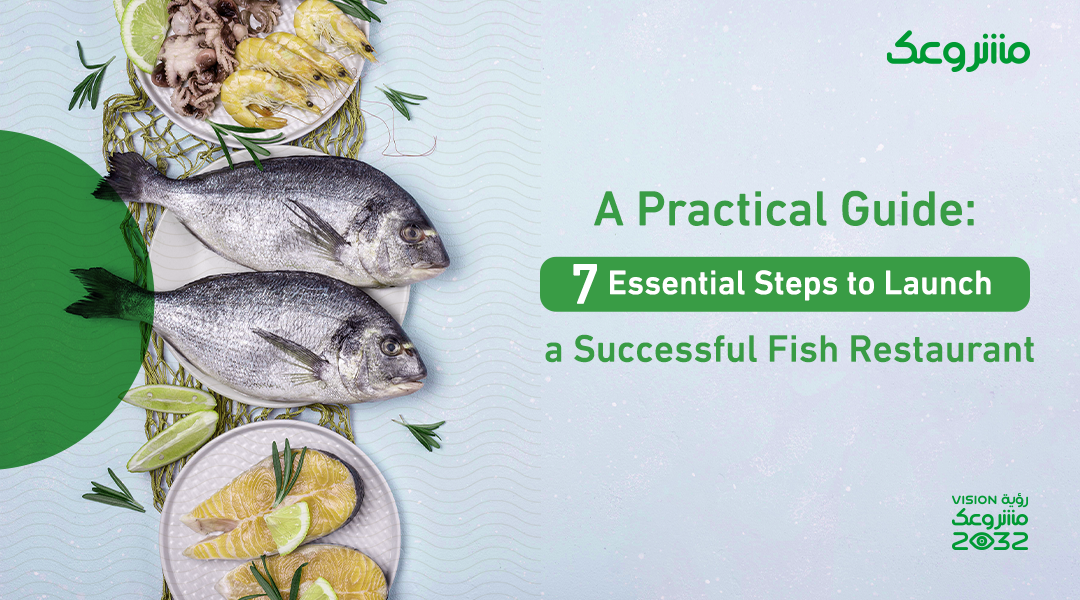
7 Essential Steps for a Successful Fish Restaurant Project
Choose a strategic location near residential or tourist areas A prime location ensures a steady flow of customers and boosts daily sales, with easy access and parking facilities being crucial.
Use fresh ingredients to ensure seafood quality Fresh seafood enhances flavor and builds the restaurant’s reputation. Reliable suppliers are key to success.
Design a diverse menu combining local and international dishes Variety attracts a broader customer base. Mixing authentic local recipes with international seafood dishes makes the menu appealing and innovative.
Provide exceptional customer service to build loyalty Good service creates positive impressions and encourages repeat visits. Train staff in professionalism, prompt service, and hospitality.
Invest in effective marketing through ads and social media Smart marketing increases visibility via traditional and digital campaigns, professional food photography, and special offers to attract new and retain existing customers.
Implement strict financial management to control costs and increase profits Effective financial management ensures sustainability by monitoring expenses, controlling operating costs, and setting pricing strategies aligned with dish quality.
Focus on decor and ambiance to create a memorable dining experience Attractive maritime-themed decor, comfortable furniture, and lighting enhance the dining experience, encouraging customers to share their experience and promote the restaurant organically.
Contact Us to Request a Feasibility Study for a Fish Restaurant Project
The kebab restaurant project is one of the food-service ventures that combines strong demand for grilled meals with the opportunity to target a diverse customer base, including individuals, families, and lovers of traditional Middle Eastern cuisine. With growing competition in the restaurant sector, however, the project’s success is no longer determined by food taste alone. […]
A children’s toy store project is not limited to selling toys; it is built on understanding what attracts children and what families look for when choosing products that combine entertainment and educational value. With the wide variety of educational toys, skill-development games, recreational toys, and gifts available, the store has opportunities to meet the needs […]
A residential complex project is no longer simply an investment in a collection of real estate units. It has evolved into an integrated development model that combines comfortable living, diverse services, and long-term investment value. As cities expand and residents’ needs evolve, demand is growing for residential complexes that offer a comprehensive environment suited to […]
The veterinary clinic project comes at a time when animal care is no longer limited to treating illnesses or injuries, but has expanded to include health monitoring, vaccinations, routine checkups, and care for both pets and livestock. However, many animal owners face challenges in accessing specialized veterinary services that combine prompt response, high-quality care, and […]