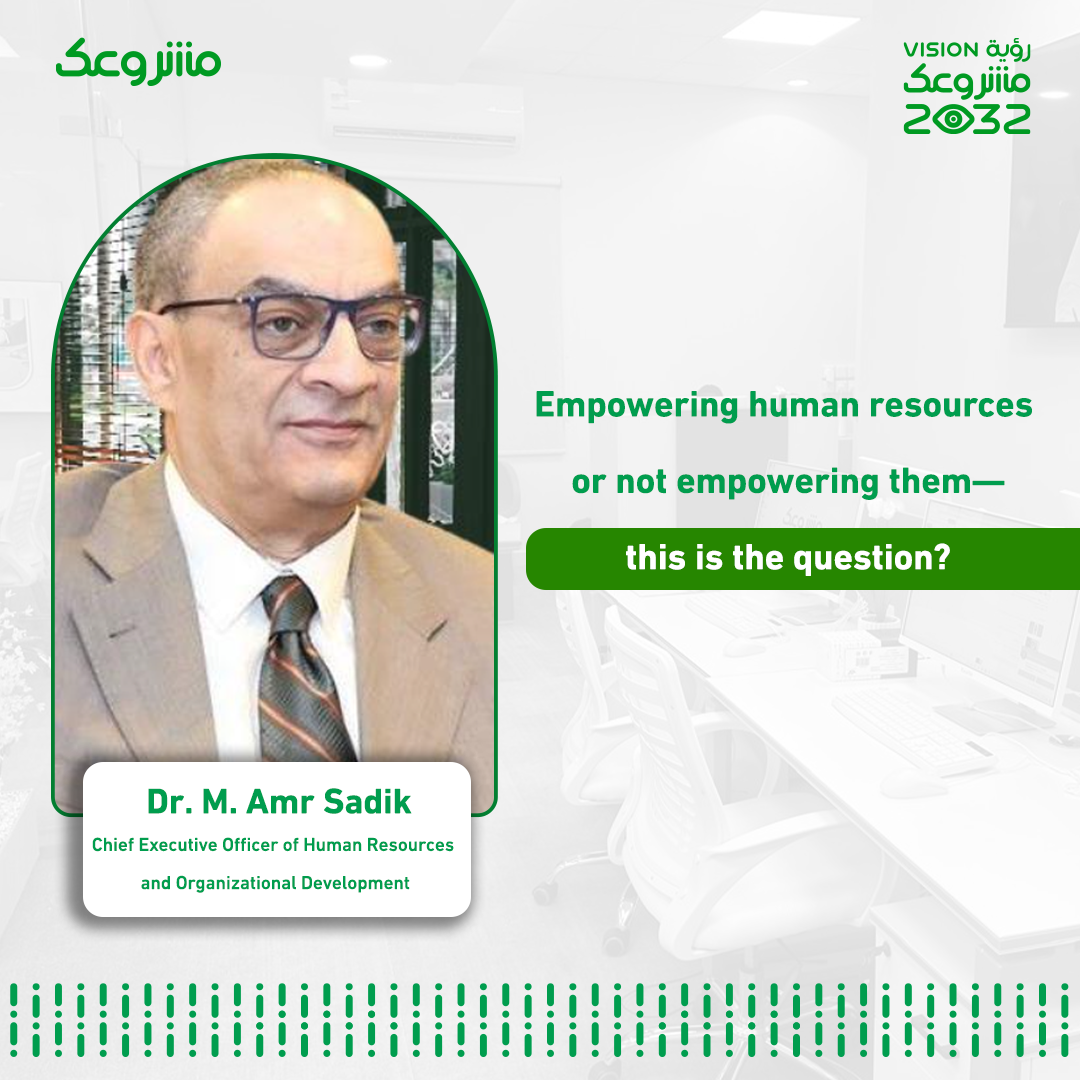
Organizations are increasingly moving toward adopting new ways of working in response to a flexible and dynamic work environment, driven by advancements in technology, artificial intelligence, and digitization. Amid complex and unpredictable markets, organizational agility has become a critical factor, making proactive employee engagement in the workplace an indispensable necessity.
The concept of workplace proactivity refers to employees’ ability to take self-initiated actions aimed at anticipating changes in the work environment and seizing future opportunities, rather than responding passively or reactively. However, such proactive behavior does not occur automatically; it requires the presence of three essential factors: empowering employees, motivating them, and providing opportunities to engage in specific proactive behaviors within the workplace.
Human resource empowerment is a modern concept aimed at improving employee performance and increasing their participation in organizational decision-making. This concept is based on providing employees with the authority and resources necessary to perform their work in the best possible way, thereby enhancing their sense of belonging and motivating them to achieve the organization’s goals. Empowerment goes beyond merely granting employees authority; it also supports their confidence in their abilities and strengthens their sense of responsibility and contribution to overall success.
Over the past decades, many organizations have developed human resource management practices centered on fostering trust and empowerment. These practices aim to motivate employees by granting them greater autonomy and flexibility in the workplace, as well as facilitating their access to information through information and communication technology (ICT) tools.
Therefore, it is important to first distinguish between empowerment and delegation, as delegation is considered a part of the empowerment process but does not constitute empowerment in itself:
Delegation is the process in which a manager assigns a set of tasks or responsibilities to an employee while retaining the ultimate decision-making authority. In this case, the employee is responsible for executing the tasks, but the final decisions remain with the manager. Delegation is usually limited in scope or temporary in nature.
Through delegation, a manager transfers part of the responsibilities to a subordinate or colleague while remaining accountable for the final outcomes. This process allows the leader to distribute tasks more effectively, giving employees the opportunity to take on greater responsibility, while also freeing the manager’s time to focus on more critical matters.
It is granting employees the necessary authority to make decisions related to their work without directly referring to the manager. This process aims to enhance employees’ autonomy in performing their duties, motivate them to participate in improving work processes, and make decisions that help achieve the organization’s overall objectives. In empowerment, responsibility and authority are comprehensive and extend beyond merely carrying out daily tasks.
In other words, delegation can be considered a part of empowerment, but empowerment is broader and more comprehensive; it enables the employee to take ownership and make decisions, creating a collaborative and effective work environment.
Empowerment means enabling frontline employees to make decisions that were previously reserved for managers. A clear example of this is the daily obstacles faced by a company’s customer service department: when a client encounters a problem or needs something resolved, and the employee responsible for the client does not have the authority to address it, unnecessary time is wasted. This often forces the client to wait for a supervisor or manager to become available to solve the issue. Allowing employees to respond and independently resolve problems (empowerment) positively impacts the final outcome and makes employees feel more valued. For this to happen, both managers and employees need to be confident and able to operate in an environment built on trust.
Empowerment means granting an individual the autonomy and authority needed to fulfill their responsibilities. It allows a person or team to know “how” to get something done and to execute it without further supervision or intervention from managers or supervisors. Empowerment is based on mutual trust between the individual or team and the management.
Enhancing human resource management practices can strengthen employees’ motivation for independent work, which in turn may foster proactivity in the workplace, leading to the generation of creative and innovative ideas.
Empowerment is considered the cornerstone through which employees can develop their skills and self-confidence, demonstrate their creativity, and nurture their passion. Empowerment creates vitality within an organization, where people thrive through trust and find freedom through empowerment. I have never seen anyone who does not value empowerment. At first, empowerment may seem like a daunting proposition, akin to removing the training wheels from a bicycle. But once someone embraces empowerment—like riding a bike without training wheels—they will never want to go back.
Often, managers and leaders become the focal point of the organization, feeling the need to have their hands in everything and make most of the decisions. When managers or leaders are in the middle of everything, it not only slows down the entire organization but often demoralizes the team. Delegation is a critical tool and skill to ensure team members remain motivated, engaged, and growing. Moreover, delegation allows leaders and managers to focus on higher-value activities. One piece of advice I often give to ambitious professionals is: “To rise in the world, you need to either automate or delegate your current responsibilities.”
Empowerment comes with a set of benefits that positively impact both employees and the organization as a whole, including:
Employee empowerment contributes to higher efficiency and productivity, as employees feel they have the ability to influence their work and make decisions that help achieve organizational goals.
When employees feel empowered to make decisions and contribute to process improvements, their sense of satisfaction and belonging within the organization increases, which in turn reduces employee turnover rates.
Empowering employees helps motivate them to find new and innovative solutions to the challenges they face, thereby contributing to the overall improvement of the organization’s performance.
Empowerment contributes to improving communication between employees and managers, encouraging the free exchange of ideas and suggestions.
Empowerment motivates employees to take responsibility for their decisions and actions, thereby enhancing their sense of accountability and transparency.
Ultimately, organizations can create a work environment that promotes high performance, ensuring sustainable growth and long-term success.
To achieve effective empowerment in the workplace, there are several key steps that should be followed:
Clearly Define Objectives
Managers should clarify the organization’s overall goals and specify the roles employees need to play to achieve them. Clear objectives help employees understand the direction of the work and how they can contribute effectively.
Provide Necessary Training
Employees require continuous training to develop their skills and strengthen confidence in their abilities. Training should cover areas such as decision-making, time management, and leadership skills to enable them to make effective decisions within their granted authority.
Gradually Grant Authority
For effective empowerment, employees should be given authority in a deliberate and gradual manner, allowing them to gain experience and adapt to new responsibilities. It is essential for employees to feel adequately supported without being entirely dependent on managers for every detail.
Enhance Trust and Communication
Building an environment of trust and open communication fosters collaboration and encourages employees to share their opinions and ideas. Managers should support employees and provide guidance when needed without dominating decisions.
Encourage Innovation and Calculated Risk-Taking
Empowerment requires encouraging employees to think creatively and develop new solutions. Managers should accept possible mistakes from calculated risks and avoid punishing employees for decisions that might be wrong, instead learning from them and motivating improvement.
Provide Necessary Resources
A fundamental part of empowerment is providing employees with the tools and resources they need to perform effectively. Whether financial, technological, or administrative support, having the right resources is critical for successful empowerment.
Continuously Evaluate Performance
Employee performance should be regularly monitored and assessed to track progress and ensure goals are being met. Evaluation should not be punitive but aimed at continuous improvement and providing constructive feedback.
Reward and Recognize Good Performance
It is important to acknowledge employee efforts and offer rewards, whether tangible or intangible, for outstanding performance. Recognition increases motivation and encourages further achievement and dedication.
Despite its many benefits, implementing empowerment may face several challenges:
Despite the long list of benefits, managers often find it difficult to relinquish full control, especially if they are used to taking the lead. Trusting others to make decisions and set objectives can be challenging, requiring a “leap of faith.” Four main reasons explain why managers hesitate:
When managers fail to relinquish control, other team members may feel powerless, leading to negative consequences, including a loss of confidence. If employees are not trusted to perform their tasks effectively, how can they trust your judgment? Without the opportunity to develop new skills, employees are less capable of handling new responsibilities or solving problems, which may hinder their personal and professional growth and reduce their promotion prospects. They may also struggle with sudden changes or crises, potentially lowering employee satisfaction and motivation, and increasing turnover and absenteeism.
Human resources empowerment is a strategic approach to achieving excellence in performance and accomplishing organizational objectives. Empowered employees feel confident, more engaged, and innovative, enhancing productivity and quality of performance. Empowerment is a continuous process requiring commitment and ongoing guidance from managers, along with training and support for employees to achieve the best results.
By applying empowerment steps and addressing challenges, organizations can foster a motivated, capable, and high-performing workforce.

To contact Mashroo3k regarding human resources empowerment
The kebab restaurant project is one of the food-service ventures that combines strong demand for grilled meals with the opportunity to target a diverse customer base, including individuals, families, and lovers of traditional Middle Eastern cuisine. With growing competition in the restaurant sector, however, the project’s success is no longer determined by food taste alone. […]
Read moreA children’s toy store project is not limited to selling toys; it is built on understanding what attracts children and what families look for when choosing products that combine entertainment and educational value. With the wide variety of educational toys, skill-development games, recreational toys, and gifts available, the store has opportunities to meet the needs […]
Read moreA residential complex project is no longer simply an investment in a collection of real estate units. It has evolved into an integrated development model that combines comfortable living, diverse services, and long-term investment value. As cities expand and residents’ needs evolve, demand is growing for residential complexes that offer a comprehensive environment suited to […]
Read moreThe veterinary clinic project comes at a time when animal care is no longer limited to treating illnesses or injuries, but has expanded to include health monitoring, vaccinations, routine checkups, and care for both pets and livestock. However, many animal owners face challenges in accessing specialized veterinary services that combine prompt response, high-quality care, and […]
Read more
خصم 25% على خدمات مشروعك استفد من العرض الآن، فالفرصة متاحة لفترة محدودة فقط
سجّل بياناتك واحصل على خصم 25% الآن


