هذا النص هو مثال لنص يمكن أن يستبدل في نفس المساحة، لقد تم توليد هذا النص من مولد النص العربى، حيث يمكنك أن تولد مثل هذا النص أو العديد من النصوص الأخرى إضافة إلى زيادة عدد الحروف التى يولدها التطبيق.
Today, solar energy projects represent one of the most innovative solutions to the challenges of conventional energy, combining sustainability with economic efficiency while supporting the transition toward a cleaner future. With rapid technological advancements, investing in this field has become a strategic choice aligned with global trends to reduce reliance on fossil fuels and lower carbon emissions. The project’s impact goes beyond providing a renewable energy source; it also creates jobs, supports local economies, and stimulates innovation in storage and smart grid technologies. Its diverse applications—whether for homes, factories, or large-scale projects—make it a flexible and scalable solution. By combining economic feasibility with environmental benefits, a solar energy project becomes a strategic investment that meets present needs and lays the foundation for a sustainable energy sector capable of addressing future demands.
What Is a Solar Energy Project? A solar energy project is an initiative aimed at harnessing sunlight and converting it into electrical or thermal energy using advanced technologies such as photovoltaic panels or solar thermal collectors. The project seeks to provide a renewable and environmentally friendly energy source, reducing dependence on fossil fuels, lowering harmful emissions, and supporting the transition to sustainability. Solar projects can range from small-scale systems for homes and farms to large-scale power plants supplying entire cities.
Benefits of a Solar Energy Project
Renewable energy source ensuring continuous electricity supply.
Environmentally friendly, helping reduce carbon emissions and improve air quality.
Reduces long-term electricity consumption and provides significant economic returns.
Can be implemented in any location, including remote areas far from the grid.
Low maintenance costs compared to other energy systems and easy to operate.
Long lifespan, often 25 years or more.
Diversifies energy sources and reduces reliance on fossil fuels.
Creates diverse job opportunities in installation, maintenance, operation, and manufacturing.
Flexible usage for homes, factories, or large-scale projects.
Supports sustainability plans and contributes to global sustainable development goals.
How to Start a Solar Energy Project
Define the Goal and Project Size Determine the primary purpose—whether to power a home, operate a factory, or sell electricity to the grid—and the required capacity based on consumption or market needs.
Conduct a Preliminary Feasibility Study Evaluate the financial and technical feasibility, including total cost, expected returns, and payback period, to make an informed decision.
Choose the Right Location Select a site with maximum sunlight exposure, considering roof angles, shading, and proximity to the electrical grid to minimize connection costs.
Select Technology and Equipment Decide on the type of solar panels (monocrystalline or polycrystalline), inverters, and mounting systems based on budget, available space, and performance requirements.
Obtain Necessary Permits Secure all legal approvals from relevant authorities, including environmental permits, construction permits, and grid connection authorizations.
Secure Financing Arrange capital through personal savings, bank loans, or investment partnerships.
Project Implementation Install equipment according to technical standards and adjust systems for optimal operational efficiency, with proper supervision to avoid costly errors.
Testing and Commissioning Test the system to ensure safety and efficiency, addressing any technical issues before official operation.
Monitoring and Maintenance Follow a routine maintenance schedule, including panel cleaning, connection inspections, and performance monitoring with smart systems to maintain long-term efficiency.
Solar Energy Project Feasibility Study
Define project concept and objectives.
Determine project size and capacity suitable for the target market.
Highlight expected outputs and long-term benefits.
Assess current demand for solar energy locally.
Analyze local and global market trends and potential expansion opportunities.
Identify major competitors and study their strengths and weaknesses.
Define target customer segments.
Select an optimal project location for maximum sun exposure.
Is a Solar Energy Project Profitable? Global indicators show an unprecedented growth surge in the solar energy market, valued at approximately $169.5 billion in 2024, expected to reach $217.51 billion by 2025, with a CAGR of 28.3%. This momentum is projected to continue, with the market reaching around $501.17 billion by 2029 at a CAGR of 23.2%. These figures demonstrate that investing in solar energy projects not only generates attractive financial returns but also aligns with the global shift toward clean energy, enhancing the project’s long-term sustainability and success.
Top 5 Investment Opportunities in the Solar Energy Sector
Photovoltaic Solar Power Plants Large-scale installations using thousands of solar panels to produce clean electricity over 20–25 years, offering stable returns, especially in high-radiation desert areas. Government support, including land provision, tax incentives, and power purchase agreements, makes investment safer and more attractive.
Residential and Commercial Solar Systems Systems enabling homes and commercial buildings to generate their own electricity, operate lighting, air conditioning, appliances, and even sell surplus to the grid. Rising electricity prices and environmental awareness increase demand, supported by financing plans.
Agricultural Solar Projects Solar energy powers irrigation pumps, water cooling, ventilation systems, and greenhouses, reducing operating costs, improving productivity, and ensuring sustainability. Government support enhances profitability.
Solar-Powered Electric Vehicle Charging Solutions Solar panels can provide entirely clean energy for charging EVs at homes, commercial centers, public parking, and highways, reducing grid load and opening profitable business opportunities.
Floating Solar Projects Panels installed on water surfaces in dams, lakes, or reservoirs save land, reduce water evaporation, and improve panel efficiency via natural cooling, ideal for densely populated countries, combining environmental effectiveness with economic viability.
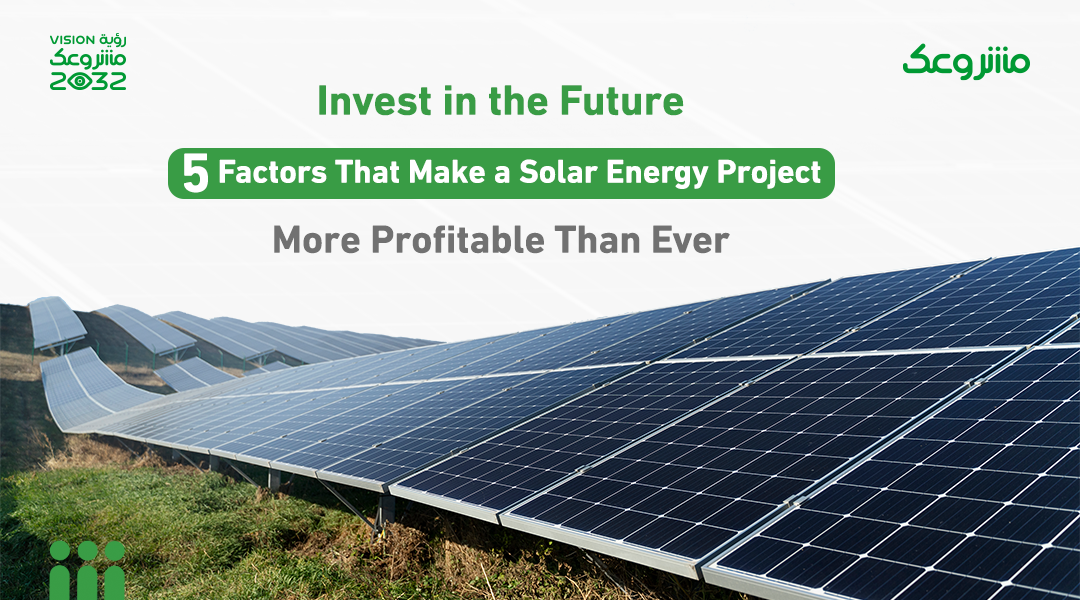
5 Reasons Solar Energy Projects Are Highly Profitable

Increasing demand for clean energy driven by global environmental awareness.
Significant reduction in panel and equipment costs, making projects more cost-effective.
Stable, long-term investment returns supported by power purchase agreements and government guarantees.
Strong government support through tax incentives, favorable financing, and land allocation.
Diverse investment opportunities: large plants, residential systems, agricultural projects, and innovative solutions like solar EV charging.
Contact Us to Request a Feasibility Study for a Solar Energy Project
The kebab restaurant project is one of the food-service ventures that combines strong demand for grilled meals with the opportunity to target a diverse customer base, including individuals, families, and lovers of traditional Middle Eastern cuisine. With growing competition in the restaurant sector, however, the project’s success is no longer determined by food taste alone. […]
A children’s toy store project is not limited to selling toys; it is built on understanding what attracts children and what families look for when choosing products that combine entertainment and educational value. With the wide variety of educational toys, skill-development games, recreational toys, and gifts available, the store has opportunities to meet the needs […]
A residential complex project is no longer simply an investment in a collection of real estate units. It has evolved into an integrated development model that combines comfortable living, diverse services, and long-term investment value. As cities expand and residents’ needs evolve, demand is growing for residential complexes that offer a comprehensive environment suited to […]
The veterinary clinic project comes at a time when animal care is no longer limited to treating illnesses or injuries, but has expanded to include health monitoring, vaccinations, routine checkups, and care for both pets and livestock. However, many animal owners face challenges in accessing specialized veterinary services that combine prompt response, high-quality care, and […]
