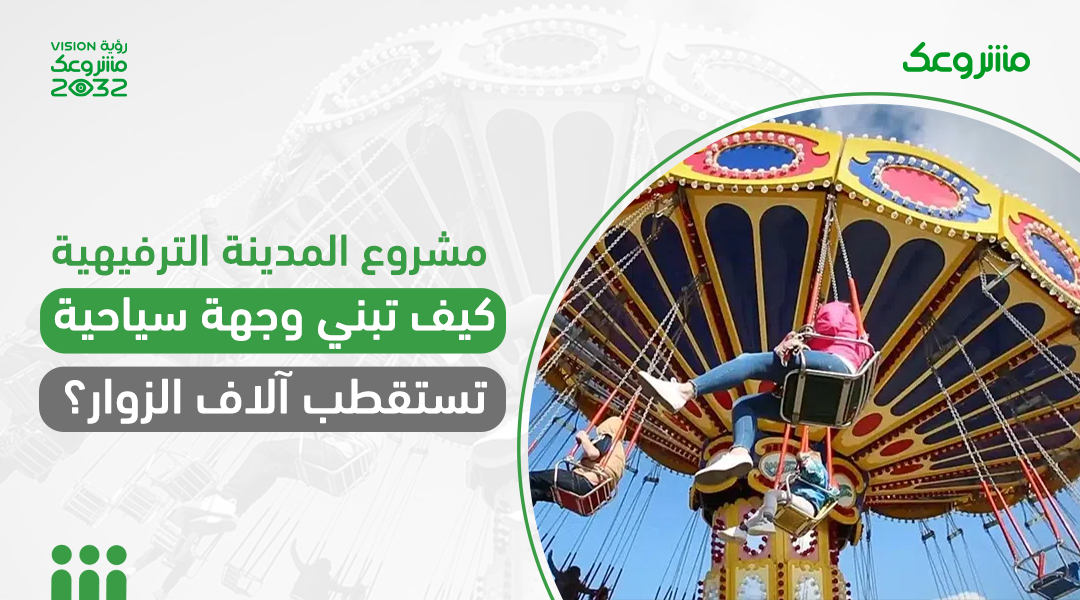
The amusement city project is an appealing venture that goes beyond entertainment; it is also considered a highly profitable investment opportunity due to strong demand and the diverse appeal to different age groups. The project combines a comprehensive entertainment experience with modern rides and educational spaces, along with innovative facilities that ensure an enjoyable and distinctive experience for every visitor. This enhances its investment attractiveness and supports continuous revenue generation.
It also contributes to stimulating the local economy and creating a variety of job opportunities, making it a strategic choice for investors seeking a project that combines leisure with financial returns. In this article, we explore the key advantages of the project, its profitability potential, and the practical steps to start it in a well-structured and informed manner.
The amusement city project is an ambitious investment initiative aimed at creating an integrated entertainment destination that combines diversity and quality. The project includes electronic and water games, children’s areas, along with modern hospitality facilities such as restaurants and cafés, delivering an exceptional and safe entertainment experience supported by the latest technologies and advanced amusement systems.
Such destinations are witnessing increasing demand from families and young people, especially in densely populated areas, making this project a promising investment opportunity—provided it is based on well-structured planning that ensures a variety of services and activities to meet visitors’ expectations and achieve sustainable success.
Yes, the global location-based entertainment market is showing remarkable growth. It reached USD 6.18 billion in 2025 and is expected to rise to USD 7.04 billion in 2026, eventually reaching USD 31.71 billion by 2034, with a compound annual growth rate (CAGR) of 19.90% during the forecast period. This rapid growth reflects the increasing demand for integrated entertainment experiences and confirms that investing in an amusement city project represents a promising opportunity for achieving sustainable long-term returns.
Read here: Entertainment Market Report in the Kingdom of Saudi Arabia
The cost of an amusement city project depends on several key factors, including:
Read here: Top Entertainment Business Ideas That Achieve Sustainable Profits in 2025
The beginning of the amusement city project idea was a challenging experience, as it seemed full of risks and difficult decisions—from selecting the right location to determining the rides and facilities that would attract visitors. I felt concerned about every step, until a turning point came when I became acquainted with Mashroo3k.
The outstanding team provided me with a comprehensive feasibility study covering all financial, marketing, and technical aspects, along with a thorough market analysis and innovative design concepts for themes and facilities. This helped eliminate my concerns and reignited my motivation to move forward.
With this professional support and continuous guidance, I was able to launch the project with confidence and witness remarkable results—from high visitor turnout to sustainable investment success. The experience ultimately became a true journey of learning and creativity that I had never imagined before.
Read here: Your Guide to Finding the Best Certified Feasibility Study Company in Saudi Arabia
The cost of establishing an amusement park varies depending on the project size, location, type of rides and facilities, and required equipment. It includes the cost of purchasing rides, infrastructure development, interior and exterior design, obtaining licenses, and initial operating costs such as staffing and marketing.
An amusement city is typically opened after completing all stages of planning and construction, installing rides and facilities, obtaining the necessary permits, and training staff. A soft opening is often recommended before the official launch to ensure all services are ready and the visitor experience is of high quality. The opening date is often chosen to align with holidays or tourist seasons to attract a larger number of visitors.
To start an amusement park project, a feasibility study must first be conducted to determine the project size, target audience, and costs. Then, a strategic location is selected, the park is designed, rides and facilities are prepared, and the necessary licenses are obtained. After that, a trained team is hired, a marketing plan is developed to launch the project and attract visitors, and continuous improvements are made to ensure long-term success and sustainability.
The amusement city consists of an integrated set of sections carefully designed to meet the interests of visitors from different age groups. It includes areas for electric games and adventure activities targeted at youth and adults, as well as safe, dedicated zones for children’s games. It also features water game areas in case swimming pools or water facilities are available.
In addition, the city includes various hospitality facilities such as restaurants and cafés to provide food and beverage services, along with public spaces designed for seating and relaxation. It also incorporates essential service facilities such as restrooms, organized parking areas, and modern security and surveillance systems to ensure a safe and comfortable entertainment environment for visitors.
It is evident that the amusement city project is a promising investment model that balances generating returns with delivering an exceptional community entertainment experience. Through careful planning, a strategic location, and a variety of activities suitable for all age groups, this project can be transformed into a preferred family destination throughout the year.
The key to continuity and success lies in thorough planning, attention to service quality, and continuous innovation in entertainment offerings, ensuring the project achieves the desired success and long-term sustainability.

For Contact and Requesting a Feasibility Study for the Amusement City Project
The kebab restaurant project is one of the food-service ventures that combines strong demand for grilled meals with the opportunity to target a diverse customer base, including individuals, families, and lovers of traditional Middle Eastern cuisine. With growing competition in the restaurant sector, however, the project’s success is no longer determined by food taste alone. […]
Read moreA children’s toy store project is not limited to selling toys; it is built on understanding what attracts children and what families look for when choosing products that combine entertainment and educational value. With the wide variety of educational toys, skill-development games, recreational toys, and gifts available, the store has opportunities to meet the needs […]
Read moreA residential complex project is no longer simply an investment in a collection of real estate units. It has evolved into an integrated development model that combines comfortable living, diverse services, and long-term investment value. As cities expand and residents’ needs evolve, demand is growing for residential complexes that offer a comprehensive environment suited to […]
Read moreThe veterinary clinic project comes at a time when animal care is no longer limited to treating illnesses or injuries, but has expanded to include health monitoring, vaccinations, routine checkups, and care for both pets and livestock. However, many animal owners face challenges in accessing specialized veterinary services that combine prompt response, high-quality care, and […]
Read more
خصم 25% على خدمات مشروعك استفد من العرض الآن، فالفرصة متاحة لفترة محدودة فقط
سجّل بياناتك واحصل على خصم 25% الآن


