هذا النص هو مثال لنص يمكن أن يستبدل في نفس المساحة، لقد تم توليد هذا النص من مولد النص العربى، حيث يمكنك أن تولد مثل هذا النص أو العديد من النصوص الأخرى إضافة إلى زيادة عدد الحروف التى يولدها التطبيق.
A plastic bag manufacturing project is considered a promising and sustainable investment opportunity in the industrial sector, given the widespread and daily use of plastic bags and packaging bags across various commercial sectors, retail stores, outlets, and factories. The importance of this project stems from the growing and continuous demand for packaging supplies, in addition to the flexibility of production lines and their ability to diversify products in terms of sizes, colors, and printing customers’ brand identities. The investment potential of this project is further enhanced by the technological advancements in modern machinery, which have helped reduce waste and increase production speed, while also enabling the use of biodegradable materials to meet environmental requirements and modern quality standards. However, success in this industry requires effective and well-planned management based on accurately defining the operational and financial processes, selecting high-quality raw materials, and studying consumer market needs to secure a stable market share. Therefore, this project has strong success potential, supporting sustainable cash flows and generating a rewarding return on investment.
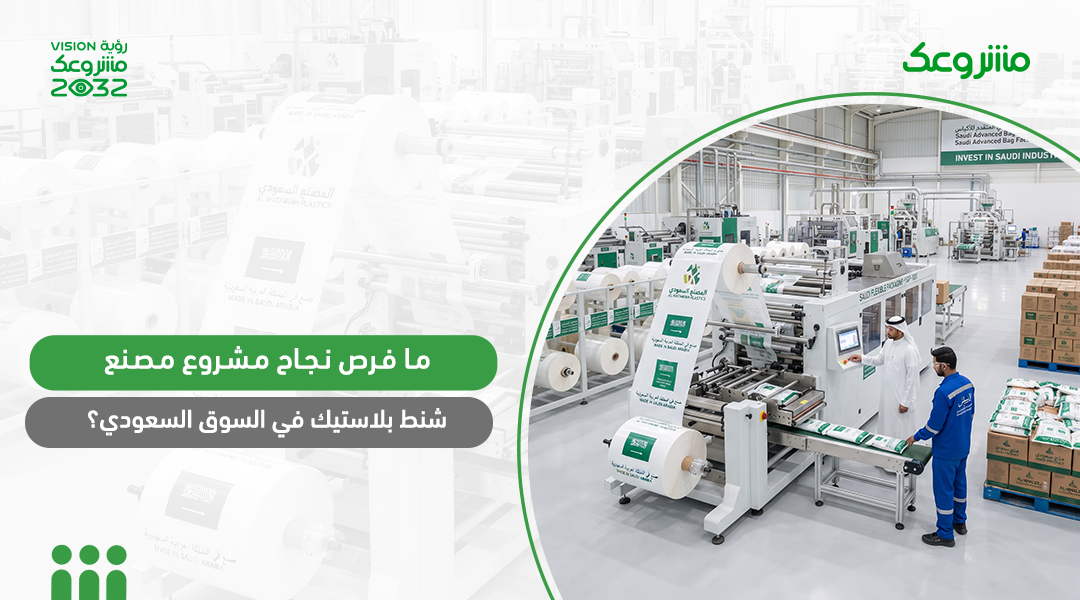
A plastic bag manufacturing project is an industrial business that focuses on producing plastic bags and sacks in various sizes and shapes by converting plastic pellets, such as low-density or high-density polyethylene (LDPE or HDPE), into plastic film, which is then cut, sealed, and formed according to the required dimensions and designs. The factory can produce a variety of products, including standard bags, transparent bags, printed bags, shopping bags, and garbage bags. It can also offer bag-printing services to meet the needs of different commercial activities. The project targets a wide range of customers, including retail stores, supermarkets, restaurants, pharmacies, wholesalers, and factories. The production process typically consists of several stages, beginning with raw material preparation, extrusion, and film formation, followed by cutting, sealing, and handle forming, and ending with packaging and distribution.
Is a Plastic Bag Manufacturing Project Profitable?
Yes, a plastic bag manufacturing project is considered one of the most profitable projects in the industrial sector. Statistics indicate that the plastic bag market is expected to grow from USD 28.81 billion in 2026 to USD 39.26 billion by 2035, at a compound annual growth rate (CAGR) of 3.5% during the period from 2026 to 2035.
Why Is the Plastic Bag Manufacturing Project Experiencing Growing Demand in the Saudi Market?
The expansion of retail stores, supermarkets, restaurants, cafés, bakeries, and pharmacies, all of which require plastic bags on a regular basis.
The growth of e-commerce and delivery services, increasing demand for shipping, packaging, and protective bags.
The wide range of applications for plastic bags, including shopping bags, garbage bags, garment bags, agricultural bags, and packaging bags.
The availability of raw materials locally, which helps reduce transportation costs and facilitate production operations.
Saudi Arabia’s support for manufacturing industries and locally produced goods as part of the objectives of Saudi Vision 2030.
The recurring purchase of the product by customers, as plastic bags are fast-moving consumable products rather than one-time purchases.
The ability to manufacture bags in different sizes, thicknesses, colors, and designs according to customer requirements.
Growing demand for bags printed with company logos and brand identities for marketing purposes.
The potential to expand into the production of shipping bags, reusable bags, and bags that comply with environmental requirements.
The ease of marketing products through contracts with stores, restaurants, factories, and delivery companies.
The potential to gain a competitive advantage through product quality, fast delivery, and competitive pricing.
Growing awareness of environmental requirements, creating opportunities to produce biodegradable or reusable bags in accordance with Saudi regulations.
The potential to expand into exports to Gulf countries and nearby markets in the future.
Success Indicators for a Plastic Bag Manufacturing Project
Increased sales volume and stable demand for products.
Achieving a high utilization rate for production lines.
Maintaining bag quality and ensuring compliance with required specifications.
Reducing waste and scrap generated during the manufacturing process.
Achieving a suitable and stable profit margin.
Continuously increasing the number of customers and contracts.
Diversifying products and sizes to meet market needs.
Reducing equipment breakdowns and production downtime.
Efficient management of inventory, raw materials, and finished products.
Successfully building a strong distribution network.
Increasing production capacity and expanding into target markets.
Increasing customer repeat-order rates and customer retention.
My Experience with a Plastic Bag Manufacturing Project
Amid the urban and commercial expansion and the growing demand for packaging supplies in the Kingdom of Saudi Arabia, I decided to establish a plastic bag manufacturing project to meet the needs of the local retail and commercial sectors. However, I initially faced complex organizational and operational challenges, most notably the lack of accurate financial planning, as well as technical issues that threatened business continuity, such as high raw material waste rates and failure to comply with the environmental requirements for biodegradable bags. To overcome these challenges, I sought the assistance of… Mashroo3k Consulting Company which provided me with a professional feasibility study that included a comprehensive market analysis and accurately defined the organizational and financial framework. It also provided me with specialized technical consulting that helped establish proper operating standards, select the most suitable equipment, and reduce waste. As a result, the factory was able to overcome all obstacles and achieve consistent production with high quality and stronger competitiveness than before.
Frequently Asked Questions About a Plastic Bag Manufacturing Project
How Much Does a Plastic Bag Manufacturing Machine Cost?
The price of a plastic bag manufacturing machine varies significantly depending on the machine type, production capacity, level of automation, manufacturing specifications, country of origin, and whether the machine is new or used. The cost of a plastic film machine also differs from that of a cutting and sealing machine or a printing machine.
How Much Does Plastic Bag Raw Material Cost?
The price of plastic bag raw materials varies depending on the type of material used, such as Low-Density Polyethylene (LDPE) or High-Density Polyethylene (HDPE), in addition to quality grade, country of origin, purchase quantity, and shipping costs.
What Are the Types of Plastic Raw Materials?
Plastic raw materials used across different industries vary according to the properties and applications of each material. One of the most widely used materials is Polyethylene (PE), which is extensively used in manufacturing plastic bags and sacks. It includes Low-Density Polyethylene (LDPE), known for its flexibility; High-Density Polyethylene (HDPE), characterized by strength and rigidity; and Linear Low-Density Polyethylene (LLDPE), which combines flexibility with durability.
Other commonly used materials include Polypropylene (PP), which is used in a wide range of packaging products; Polyethylene Terephthalate (PET), commonly used for containers and bottles; as well as Polyvinyl Chloride (PVC) and Polystyrene (PS), which are used in a variety of industrial applications.
In conclusion, regarding the plastic bag manufacturing project,
In conclusion, the project remains a profitable investment option, supported by a broad and consistent demand base and offering a high degree of flexibility to adapt to market changes and modern environmental requirements. Careful preparation, a thorough understanding of the needs of the retail and commercial sectors, and the selection of appropriate technical equipment are the key pillars that can transform this project from a conventional production line into a sustainable industrial enterprise capable of securing a strong market share and generating growing financial returns.
To contact us and request a feasibility study for a plastic bag manufacturing project
The kebab restaurant project is one of the food-service ventures that combines strong demand for grilled meals with the opportunity to target a diverse customer base, including individuals, families, and lovers of traditional Middle Eastern cuisine. With growing competition in the restaurant sector, however, the project’s success is no longer determined by food taste alone. […]
A children’s toy store project is not limited to selling toys; it is built on understanding what attracts children and what families look for when choosing products that combine entertainment and educational value. With the wide variety of educational toys, skill-development games, recreational toys, and gifts available, the store has opportunities to meet the needs […]
A residential complex project is no longer simply an investment in a collection of real estate units. It has evolved into an integrated development model that combines comfortable living, diverse services, and long-term investment value. As cities expand and residents’ needs evolve, demand is growing for residential complexes that offer a comprehensive environment suited to […]
The veterinary clinic project comes at a time when animal care is no longer limited to treating illnesses or injuries, but has expanded to include health monitoring, vaccinations, routine checkups, and care for both pets and livestock. However, many animal owners face challenges in accessing specialized veterinary services that combine prompt response, high-quality care, and […]