هذا النص هو مثال لنص يمكن أن يستبدل في نفس المساحة، لقد تم توليد هذا النص من مولد النص العربى، حيث يمكنك أن تولد مثل هذا النص أو العديد من النصوص الأخرى إضافة إلى زيادة عدد الحروف التى يولدها التطبيق.
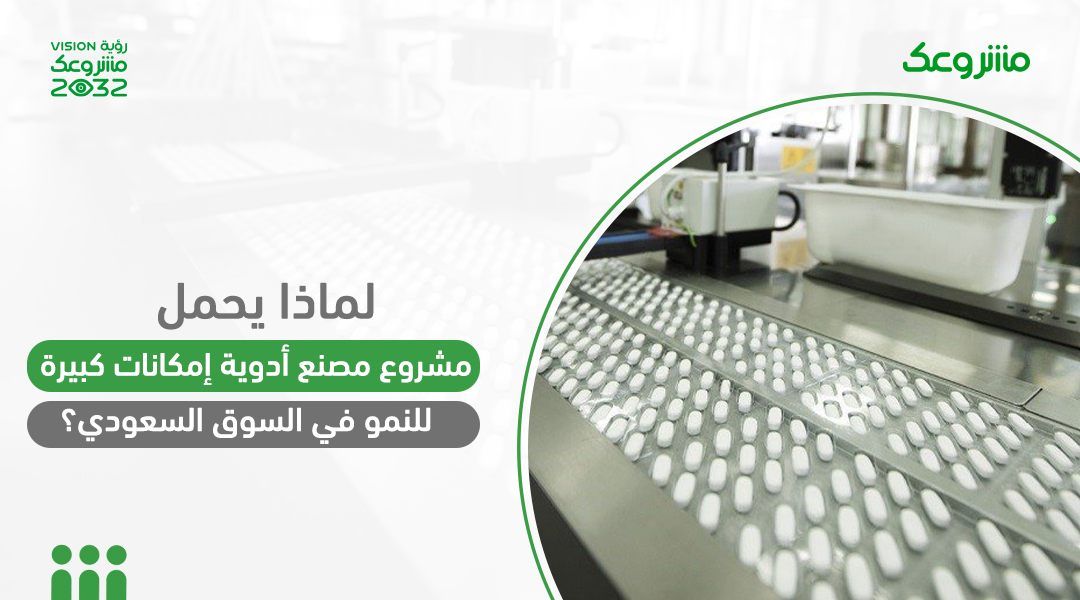
A pharmaceutical manufacturing plant project is considered an important industrial venture that combines investment opportunities with the growing needs of the healthcare sector, driven by increasing demand for pharmaceutical products and the expansion of healthcare markets both locally and globally. The success of the project depends not only on the size of the investment or the establishment of advanced production lines, but also on an integrated approach that begins with studying the market and identifying the products in greatest demand, followed by selecting the appropriate location and equipment, recruiting qualified personnel, and complying with health and regulatory requirements and pharmaceutical quality standards. This highlights the importance of preparing an accurate feasibility study before implementation, as it provides a clear understanding of the required investment, operating costs, production capacity, demand levels, and potential opportunities and challenges. In this article, we explore the key requirements of a pharmaceutical manufacturing plant project, its costs, implementation stages, success factors, and the main aspects investors should assess before making an investment decision.
What Is the Idea Behind a Pharmaceutical Manufacturing Plant Project?
The idea behind a pharmaceutical manufacturing plant project is to establish a specialized industrial facility for manufacturing and producing pharmaceutical preparations in accordance with approved health standards and regulatory requirements, ensuring the quality, safety, and efficacy of the products. The project involves selecting a suitable range of pharmaceutical products for the target market, providing specialized production lines and equipment, establishing quality control and testing laboratories, and employing qualified technical teams to oversee the various stages of the manufacturing process. The range of products manufactured by the plant can vary depending on the applicable licenses and production capabilities and may include human medicines and certain medical preparations. The success of the project depends on accurate market research, selecting products with strong demand, complying with Good Manufacturing Practices (GMP), and maintaining an efficient quality, storage, and distribution system. These factors can help the plant establish a competitive and sustainable presence in the pharmaceutical market.
Is a Pharmaceutical Manufacturing Plant Project Worth Investing In?
Yes, a pharmaceutical manufacturing plant project represents a notable investment opportunity within the healthcare and industrial sectors, particularly in light of the continued growth of the global pharmaceutical market and rising demand for pharmaceutical products.
According to the latest market data, the global pharmaceutical market was valued at approximately USD 1,999.24 billion in 2025 and is expected to reach USD 2,150.17 billion in 2026, before growing to USD 4,035.35 billion by 2034, at a compound annual growth rate (CAGR) of 8.19% during the forecast period.
These indicators reflect the market’s substantial size and the growing demand for pharmaceutical products, supporting the exploration of opportunities to establish pharmaceutical manufacturing plants capable of meeting the needs of target markets.
Why Is Demand for Pharmaceutical Manufacturing Plant Projects Increasing in the Saudi Market?
Demand for pharmaceutical manufacturing plant projects in the Saudi market is increasing due to the project’s various investment advantages, including:
Consistent demand for pharmaceutical products.
A diverse range of products and the ability to specialize in multiple pharmaceutical categories.
Good opportunities to generate investment returns.
The potential to expand production capacity in the future.
The ability to add new pharmaceutical production lines and products.
Opportunities to expand into and reach regional markets.
Contributing to the growth of local pharmaceutical manufacturing.
Benefiting from technological advancements in manufacturing technologies.
Diverse channels for distributing and selling pharmaceutical products.
The growing importance of the pharmaceutical manufacturing sector and its role in supporting the healthcare sector.
The potential to build a strong pharmaceutical brand while maintaining high quality standards.
Achieving sustainable project growth through continuous planning and development.
Market Study for a Pharmaceutical Manufacturing Plant Project
A market study for a pharmaceutical manufacturing plant project includes:
Determining the level of demand for pharmaceutical products.
Identifying the most in-demand medicines and pharmaceutical preparations in the market.
Identifying target customer segments.
Studying the needs of hospitals, pharmacies, and distributors.
Analyzing competing pharmaceutical manufacturers and companies.
Comparing the quality and prices of competing products.
Identifying products in which the project has a strong opportunity to compete.
Studying distribution and marketing channels for pharmaceutical products.
Analyzing trends and developments in the pharmaceutical manufacturing market.
Identifying available investment opportunities in the market.
Identifying potential challenges and risks facing the project.
Best Marketing Strategies for a Pharmaceutical Manufacturing Plant Project
Building a trusted pharmaceutical brand that reflects product quality and the plant’s commitment to approved standards.
Targeting pharmacies, hospitals, medical centers, and distributors as key channels for reaching customers.
Building a strong network of distributors and agents to expand product reach across target markets.
Creating a professional website that showcases the plant’s products, areas of specialization, contact information, and business partnerships.
Improving search engine visibility for keywords related to pharmaceutical products and the pharmaceutical manufacturing industry.
Using social media platforms to establish a professional presence and introduce the brand and its products to the target audience.
Participating in exhibitions, conferences, and specialized events related to the healthcare and pharmaceutical industries.
Offering suitable commercial incentives and promotions to distributors and healthcare institutions in accordance with applicable regulations.
Using content marketing by publishing educational and professional information that strengthens market confidence in the brand.
Building professional relationships with physicians, pharmacists, and healthcare professionals to introduce products within applicable regulatory guidelines.
Monitoring and analyzing feedback from customers and distributors to improve products and services.
Potential Risks of a Pharmaceutical Manufacturing Plant Project
Delays in obtaining the required licenses and approvals.
Failure to comply with approved pharmaceutical and health requirements and standards.
Product contamination or errors during manufacturing and packaging processes.
Failure of certain products to meet required specifications, potentially resulting in rejection or product recalls.
Increases in raw material prices and their impact on production and operating costs.
Delays in the supply of raw materials or disruptions in supply chains.
Unexpected breakdowns in production lines and equipment and their impact on operational continuity.
Shortages of specialized technical personnel or high employee turnover.
Strong competition from local and international pharmaceutical companies and manufacturers.
Declining demand for certain products due to changes in market needs.
Inappropriate pricing and its impact on sales and profit margins.
Improper storage conditions and the impact of temperature and humidity on product quality.
Weak distribution channels and difficulty reaching target markets.
Liquidity pressures resulting from high initial investments and operating expenses.
Regulatory changes or updates to requirements governing the manufacturing and distribution of pharmaceutical products.
Damage to the plant’s reputation due to recurring complaints regarding product quality or effectiveness.
SWOT Analysis of a Pharmaceutical Manufacturing Plant Project
Strengths
Strong and consistent demand for pharmaceutical products.
A diverse range of pharmaceutical products and the ability to specialize in multiple categories.
The potential to build a strong brand in an essential and vital sector.
The use of modern production technologies to improve manufacturing efficiency and quality.
The potential to expand production capacity and introduce new products.
Weaknesses
High costs associated with establishing and equipping the plant and installing production lines.
The need for specialized technical and administrative personnel with relevant expertise.
Lengthy procedures related to licensing and product approvals.
High costs associated with quality control, testing, and operations.
The need for continuous investment in development and modernization.
Opportunities
Growing demand for pharmaceutical products in local and regional markets.
Expanding into the production of new pharmaceutical products that meet market needs.
The potential to expand into export markets in accordance with applicable regulatory requirements.
Benefiting from technological advancements in manufacturing, research, and development.
Opportunities to establish partnerships with distribution companies and healthcare organizations.
Threats
Strong competition from local and international pharmaceutical companies and manufacturers.
Rising prices of raw materials and production supplies.
Changes in the requirements and standards governing the pharmaceutical industry.
Supply chain disruptions and delays in the delivery of certain materials and components.
Changes in demand for certain products due to market developments.
The emergence of alternative products or new treatment technologies that may affect demand for certain pharmaceutical categories.
My Experience with a Pharmaceutical Manufacturing Plant Project
With the growing demand for pharmaceutical products in Saudi Arabia, I saw a pharmaceutical manufacturing plant project as an investment opportunity worth exploring. I was able to establish the project and begin benefiting from the opportunities offered by the sector. As the business grew and operations expanded, however, I began to face several administrative challenges that affected workflow efficiency. One of the main challenges was the overlap of responsibilities between the production, quality, warehouse, and procurement departments, along with weak coordination between them. There was also a lack of clarity regarding authorities, communication channels, and reporting lines. In addition, the imbalance in task distribution increased the workload of some employees and led to duplication of certain responsibilities. I realized that if these challenges continued, they could limit the project’s ability to expand. Therefore, I sought the support of… Mashroo3k Consulting Company in the field of administrative structuring. The restructuring process included redesigning the organizational structure, defining the responsibilities and authorities of departments and positions, and organizing relationships and communication mechanisms between departments. It also involved establishing a clear management hierarchy and defined reporting and supervision lines, along with redistributing tasks based on specialization and workload. After implementing the new structure, workflow became more organized, coordination between departments improved, and responsibilities and authorities became clearer. This contributed to greater operational efficiency and provided a stronger administrative foundation to support the project’s continuity, growth, and expansion.
Frequently Asked Questions About a Pharmaceutical Manufacturing Plant Project
Is the Pharmaceutical Trade Profitable?
Yes, the pharmaceutical trade can be profitable, particularly because it involves essential products with consistent demand. However, the level of profitability varies depending on factors such as the type of products, sales volume, operating costs, distribution channels, and the regulatory requirements governing the activity. The success of the business also depends on selecting products with strong demand, building an effective distribution network, managing inventory efficiently, and complying with pharmaceutical standards and licensing requirements.
What Are the Requirements for Working in Pharmaceutical Manufacturing Plants?
Working in pharmaceutical manufacturing plants requires appropriate qualifications and experience based on the nature of the position, along with compliance with Good Manufacturing Practices (GMP) and applicable quality and occupational safety procedures. Employees must also follow personal hygiene requirements and wear appropriate protective clothing within production areas. In addition, they must receive the necessary training on operating equipment and handling pharmaceutical materials, while meeting the health requirements and professional licensing requirements applicable to certain specialized positions, depending on the nature of the work and the regulations in force.
What Are the Departments of a Pharmaceutical Manufacturing Plant?
A pharmaceutical manufacturing plant consists of several integrated departments. These primarily include the Production Department, which is responsible for manufacturing and preparing pharmaceutical products, and the Quality Control and Quality Assurance Departments, which ensure that products comply with approved standards. The plant may also include a Research and Development Department for developing formulations and products, as well as departments for warehousing, procurement, maintenance, engineering, and regulatory affairs, which oversees licensing and product registration.
In addition, sales and marketing, human resources, finance, and accounting departments support the plant’s administrative and commercial operations. Together, these departments help ensure operational and administrative integration, production efficiency, and business continuity.
A pharmaceutical manufacturing plant project represents an important investment opportunity in a sector that addresses essential healthcare needs and continues to experience growth in demand and product diversity. However, building a competitive project depends on more than the size of the investment. It begins with careful planning and a thorough understanding of the market, along with identifying products that meet market needs, complying with health and regulatory requirements and quality standards, and providing production lines, equipment, and qualified personnel capable of ensuring operational efficiency.
This highlights the importance of a comprehensive feasibility study as a key tool for assessing the required investment, costs, production capacity, opportunities, and potential risks before making an investment decision. With effective management, continuous monitoring, and a strong commitment to quality, the project can establish a stable and scalable industrial business while strengthening its ability to capitalize on opportunities in the pharmaceutical manufacturing market.
For inquiries or to request a feasibility study for a pharmaceutical manufacturing plant project, please contact us.
The kebab restaurant project is one of the food-service ventures that combines strong demand for grilled meals with the opportunity to target a diverse customer base, including individuals, families, and lovers of traditional Middle Eastern cuisine. With growing competition in the restaurant sector, however, the project’s success is no longer determined by food taste alone. […]
A children’s toy store project is not limited to selling toys; it is built on understanding what attracts children and what families look for when choosing products that combine entertainment and educational value. With the wide variety of educational toys, skill-development games, recreational toys, and gifts available, the store has opportunities to meet the needs […]
A residential complex project is no longer simply an investment in a collection of real estate units. It has evolved into an integrated development model that combines comfortable living, diverse services, and long-term investment value. As cities expand and residents’ needs evolve, demand is growing for residential complexes that offer a comprehensive environment suited to […]
The veterinary clinic project comes at a time when animal care is no longer limited to treating illnesses or injuries, but has expanded to include health monitoring, vaccinations, routine checkups, and care for both pets and livestock. However, many animal owners face challenges in accessing specialized veterinary services that combine prompt response, high-quality care, and […]